Skip to content
Year-End Sale is Live Now - Up to 50% off
New users? Get 5% off on your first purchase.
Free US shipping over $100
Year-End Sale is Live Now - Up to 50% off
New users? Get 5% off on your first purchase.
Free US shipping over $100

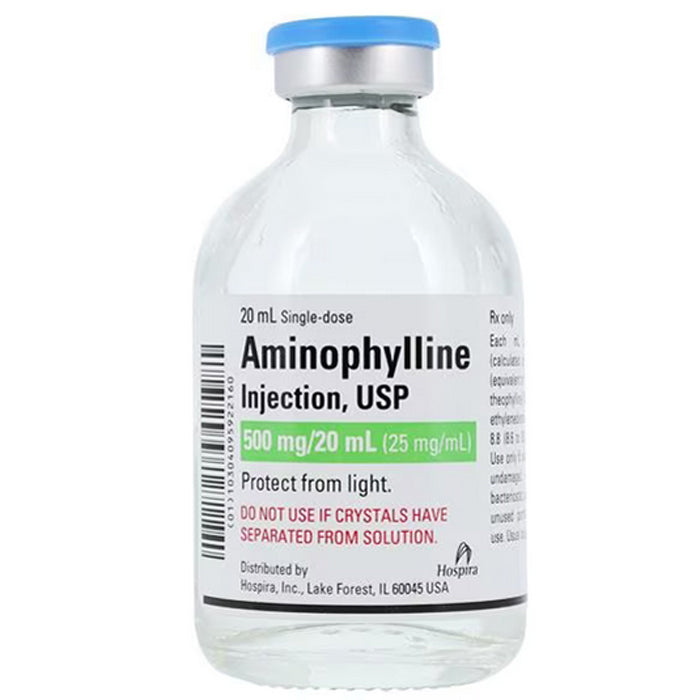
Aminophylline for Injection 500 mg Single-dose Vial 20 mL x 25/Tray (Rx)

Year End Sale 18%
Original price $ 699.95
Current price $ 575.00
SKU 00409-5922-01
*Mountainside Medical does not fill personal prescriptions Medical Professional License Required to Unlock Account

How to Order:

Send an email request to: sales@mountainside-medical.com

You will receive instructions on how to create an account along with Rx Ordering Details.

(Note: Acceptable licenses must have Prescriptive Authority in the license issuing state.)

Aminophylline for Injection 500 mg is a bronchodilator used to relieve symptoms of asthma, chronic obstructive pulmonary disease (COPD), and other respiratory conditions involving bronchospasm. It aids in relaxing the smooth muscles of the airways, enhancing airflow and easing breathing difficulties during acute exacerbations. Administered intravenously, Aminophylline is effective in hospital settings for rapid intervention in severe asthma attacks or COPD flare-ups, providing quick relief from respiratory distress and improving oxygenation in critical situations.

Aminophylline for Injection by Pfizer Injectables is a bronchodilator used to treat symptoms of asthma, chronic bronchitis, emphysema, and other obstructive lung diseases. This formulation is suitable for intravenous administration, offering quick relief in acute respiratory conditions. Each single-dose vial contains 500 mg of aminophylline in a 20 mL solution, and the product is packaged in a tray of 25 vials.

Details and Features

Active Ingredient: Aminophylline (a compound of theophylline and ethylenediamine)
Concentration: 25 mg/mL
Volume: 20 mL per vial
Packaging: Tray of 25 single-dose vials
Administration Route: Intravenous (IV)
Indications: Used for the treatment of acute exacerbations of asthma, chronic obstructive pulmonary disease (COPD), and other situations requiring bronchodilation to ease breathing difficulties.

Mechanism of Action

Aminophylline works as a bronchodilator by relaxing the smooth muscles in the bronchial airways and pulmonary blood vessels. It inhibits phosphodiesterase enzymes, leading to increased intracellular cyclic AMP levels. This elevation results in bronchodilation, decreased airway reactivity, and some reduction in inflammation. Additionally, it has mild diuretic effects and can stimulate the central nervous system and cardiac muscles.

Warnings

  • Therapeutic Monitoring: Serum theophylline levels should be monitored to maintain them within the therapeutic range and avoid toxicity.
  • Cardiovascular Effects: Can induce arrhythmias and palpitations, especially in those with pre-existing heart conditions.
  • Seizure Risk: Lowers the seizure threshold, posing risks if levels become toxic.
  • Drug Interactions: Possible interactions with drugs like cimetidine, erythromycin, and fluoroquinolones, which may affect the metabolism of aminophylline.
  • Adjustment in Special Populations: Caution is required for patients with liver disease, heart failure, or hypothyroidism as these conditions may alter drug metabolism.

Side Effects

Aminophylline can cause several side effects, and the dosage needs careful titration and monitoring:

Common Side Effects:

  • Nausea
  • Vomiting
  • Headache
  • Insomnia
  • Nervousness or restlessness

Serious Side Effects:

  • Cardiac arrhythmias
  • Seizures
  • Severe hypotension
  • Gastrointestinal disturbances, including bleeding

Close monitoring by healthcare professionals is essential to ensure safe administration, particularly in terms of dosage and serum level monitoring. Adjustments may be needed based on patient-specific factors such as age, weight, overall health, and concurrent medications. Regular evaluation helps mitigate potential risks, ensuring effective and safe treatment outcomes.

Aminophylline for Injection 500 mg Single-dose Vial 20 mL x 25/Tray (Rx)
$ 699.95 $ 575.00
🔒 Medical License Required
FAQs for Bronchitis Treatments and Oral Inhalers
  • What Is the Main Treatment for Bronchitis?

    Acute bronchitis (often viral): Symptomatic treatment (rest, hydration, cough suppressants, expectorants, inhalers, humidifiers) Chronic bronchitis (COPD): Bronchodilators, steroids, pulmonary rehab, and sometimes antibiotics for secondary bacterial infections

  • How to Treat Bronchitis While Pregnant?

    See your healthcare provider: Confirm diagnosis and safe treatment Natural remedies: Rest, increase fluids, use a humidifier, saline nasal sprays Safe medications (if needed): Acetaminophen for pain/fever, pregnancy-safe inhalers (as prescribed) Avoid all over-the-counter cold medicines unless approved by your OB/GYN

  • What Should You Not Do With Bronchitis?

    Do not smoke or expose yourself to secondhand smoke Avoid irritants: dust, perfumes, chemical fumes Don’t overuse cough suppressants (coughing helps clear mucus) Don’t ignore chest pain, severe shortness of breath, or bloody mucus; seek prompt care Don’t return to strenuous activity too soon

  • Should You Stay in Bed When You Have Bronchitis?

    Rest is essential, especially in the early days, but short walks and movement when you feel up to it help circulation and recovery. Don’t push too hard—listen to your body.

  • How to Beat Bronchitis Quickly?

    Rest and maintain good hydration Use a cool-mist humidifier Try honey (if not allergic, and never for infants under 1) Take prescribed inhalers or bronchodilators for wheezing Clear nasal and chest congestion with saline mist, steam, or expectorants

  • Can Bronchitis Cause Ear Pain?

    Yes. Bronchitis increases upper respiratory mucus and inflammation, which may cause eustachian tube dysfunction, leading to ear pain or pressure.

  • What Foods Should You Avoid With Bronchitis?

    Avoid dairy (may worsen mucus for some) Limit processed foods, fried foods, and sugar Reduce caffeine and alcohol, which cause dehydration Avoid spicy and very salty foods if throat is sore

  • What Is the Best Position to Sleep In With Bronchitis?

    Elevate your head and upper chest with extra pillows to reduce coughing and promote mucus drainage. Side-sleeping or semi-reclined positions help ease nighttime breathing.

  • Can I Exercise With Bronchitis?

    Avoid strenuous exercise while acutely ill. Mild movement/walking is beneficial as you recover. Return to normal workouts only when fever has resolved and your cough is improving.

  • How to Get Rid of Crackling When Breathing?

    Use doctor-prescribed inhalers or expectorants Try steamy showers or humidifiers to loosen phlegm Cough up mucus as needed Contact your doctor if crackles persist, worsen, or are accompanied by shortness of breath or chest pain

  • Why Do I Wheeze When I Lay Down With Bronchitis?

    Lying flat allows mucus to settle and narrows your airways, causing wheezing and coughing. Sleeping with your chest elevated helps.

  • Can Bronchitis Affect the Heart?

    Severe or chronic bronchitis increases strain on the heart, especially in people with preexisting heart or lung disease. Seek care for chest pain, rapid heart rate, or fainting.

  • Why Am I Dizzy With Bronchitis?

    Low oxygen levels and dehydration can cause dizziness with bronchitis. Frequent severe coughing can also drop blood pressure. Seek care if dizziness persists or worsens.

  • What Are the Dangers of Bronchitis?

    Progression to pneumonia Respiratory failure in severe cases Exacerbation of underlying COPD or heart disease Prolonged or recurrent infections in the elderly or immune-compromised

  • Top Bronchitis Treatments & Remedies

    Cough suppressants (dextromethorphan) & expectorants (guaifenesin) Inhalers (albuterol sulfate, ipratropium) for wheeze Steroid inhalers for chronic or severe cases Antibiotics (only for clear bacterial infections) Antiviral medication (rare, for specific viral causes and high-risk patients) Natural therapies: honey, ginger, steam inhalation

  • Proven Lifestyle & Home Care Tips

    Rest, hydrate, use a humidifier Avoid smoke and triggers Eat a balanced, nutrient-rich diet Practice breathing exercises for lung recovery

Search Any Type of Product, Medication, or Alignment