Skip to content
Year-End Sale is Live Now - Up to 50% off
New users? Get 5% off on your first purchase.
Free US shipping over $100
Year-End Sale is Live Now - Up to 50% off
New users? Get 5% off on your first purchase.
Free US shipping over $100

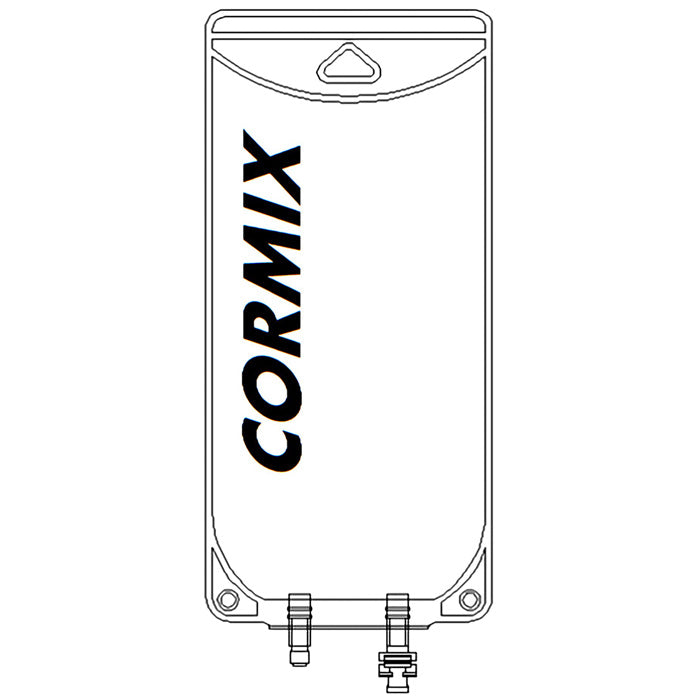
EVA Empty IV Bag, 2 Port 250 mL

Year End Sale 55%
Original price $ 9.25
Current price $ 4.19
SKU 419-64045
EVA Empty IV Bag 250 mL is a vital medical tool used for administering intravenous fluids and medications. These bags are made from Ethyl Vinyl Acetate (EVA), a non-toxic, biocompatible plastic material, ideal for storing and delivering IV solutions to patients in need. One of the main benefits of using EVA Empty IV Bags is their flexibility, as they are designed to be easily attachable to IV tubing and gravity or infusion pumps. Additionally, their clear, translucent nature allows for easy visualization and monitoring of IV flow, ensuring proper doses are delivered. EVA Empty IV Bags also offer superior protection against contamination and air infiltration, making them a safe and reliable option for delivering essential fluids and medications directly into the bloodstream. Overall, EVA Empty IV Bags are an essential and integral part of the modern healthcare system, providing a convenient, flexible, and safe option for delivering life-saving treatments to patients in need.
EVA Empty IV Bag, 2 Port 250 mL
$ 9.25 $ 4.19
FAQs About IV Bags, IV Sets, IV Start Kits
  • What is an IV Bag?

    IV Bags, also known as intravenous bags, deliver sterile saline solutions or electrolyte fluids directly into the bloodstream for rapid hydration, electrolyte balance, and essential nutrient replenishment. Trusted in hospitals, urgent care, and at-home therapy, IV fluids are clinically proven to treat dehydration, support recovery from illness or surgery, and improve overall wellness.

  • What IV Fluid is Best for Dehydration?

    Normal saline (0.9% sodium chloride) is the most recommended IV fluid for dehydration. It quickly restores fluid balance, corrects electrolyte deficiencies, and supports vital organ function. In cases where nutrient loss is significant, additional fluids like Lactated Ringer’s solution or dextrose may be used under medical guidance.

  • Signs and Symptoms of Dehydration

    Recognizing dehydration is crucial for timely intervention. Common symptoms include: Excessive thirst and dry mouth Fatigue and dizziness Dark or reduced urine output Low blood pressure Rapid heartbeat Confusion and irritability

  • How long does an IV bag take to drain?

    Most standard 1-liter IV bags take about 30–60 minutes to infuse, depending on your medical needs and drip rate. Always follow healthcare provider instructions.

  • Potential Risks of Saline IV

    While generally safe, risks of saline IV include infection, phlebitis, fluid overload, and allergic reactions. Only trained medical professionals should administer IVs.Many insurance plans cover medically necessary IV fluids administered in hospitals or clinics. At-home IV therapy coverage varies, so always check with your provider. We accept HSA/FSA payments where eligible.

  • What not to do after an IV drip:

    Avoid strenuous activity for 24 hours, keep your IV site clean and dry, and monitor for redness or swelling.

  • How much water equals an IV bag?

    One 1L IV bag is equivalent to drinking about 2–3 glasses of water, but hydration via IV is much faster and more effective for severe dehydration.

  • How long do IV fluids stay in your system?

    Most IV fluids are metabolized and excreted within 24–48 hours.

  • How soon after IV fluids do you feel better?

    Many people report improved energy, alertness, and well-being within minutes to an hour after receiving an IV.

  • How much weight can you gain from IV fluids?

    You may retain up to 2–3 pounds temporarily after large-volume IV infusions, but this resolves as your body processes the extra fluid.

  • Is it okay to let an IV bag run dry?

    No; letting an IV run dry can allow air into the line, risking air embolism. IV bags should be managed and monitored by professionals.

  • Who should avoid IV therapy?

    People with heart failure Kidney disease patients Those with severe electrolyte abnormalities or allergies

  • Why do hospitals always give IVs?

    IVs allow for rapid treatment, instant medication delivery, and controlled hydration—vital in emergencies.

  • What infection requires an IV?

    Serious infections like sepsis, pneumonia, and meningitis often require antibiotics via IV for effective and fast treatment.

  • Is one IV bag enough to rehydrate?

    In most mild to moderate dehydration cases, one IV bag restores normal hydration, but severe cases may require more under supervision.

  • Why Choose Our IV Bags?

    FDA-approved medical-grade products Sterile, individually-packaged saline & electrolyte solutions Suitable for clinics, hospitals, home health, or travel emergencies Trusted by healthcare professionals nationwide

Search Any Type of Product, Medication, or Alignment