
Filters
- Corticosteroid Cortisone (5)
- Corticosteroid Injection (3)
- Corticosteroids (10)
- Depo (3)
- Depo Medrol 40 mg (2)
- Depo-Medrol (2)
- Depo-Medrol Injection (6)
- doctor-only (14)
- glucocorticoid (5)
- joint injection (2)
- Methylprednisolone (12)
- Methylprednisolone Acetate (11)
- pain relief injection (1)
- prescription drugs (1)
- Steroid injection (2)
- Steroids (5)
- Treat Arthritis (9)
- Adrenal insufficiency (1)
- allergic reactions (2)
- Asthma (3)
- Asthma Treatment (3)
- Corticosteroid Medication (6)
- Corticosteroid Skin Treatment (1)
- Depo-Medrol 40 mg (1)
- Immune Response (2)
- Inflammation (5)
- Kenalog (4)
- Kenalog 40 Injection (1)
- Kenalog Shot (1)
- Skin disorders (1)
- Treat Allergic Reactions (3)
- Treat Inflammation (7)
- ou-exclude (2)
- blood disorders (1)
- Corticosteroid Medicine (5)
- Glucocorticoid Corticosteroid (1)
- Joint Pain Treatment (1)
- Synthetic Corticosteroid (1)
- 00009-0280-03 (1)
- Depo 40 mg (1)
- Arthritis pain (1)
- arthritis pain relief (1)
- Autoimmune Diseases (1)
- Lupus (2)
- Osteoarthritis Knee Pain (2)
- Prolonged Relief (1)
- Reduce Swelling (3)
- Skin Disorders (1)
- Treat Osteoarthritis (2)
- Asthma Attacks (1)
- Buy Solu-Medrol (2)
- Cortisone Shot (1)
- Reduce inflammation (3)
- Rheumatoid Arthritis Medication (1)
- Solu-Medrol Injection (1)
- Solu-Medrol Locally (1)
- Solu-Medrol Near Me (2)
- solumedrol (2)
- Treat rheumatoid arthritis (1)
- Allergic States (1)
- Collagen Diseases (1)
- Dermatologic Diseases (1)
- Endocrine Disorders (1)
- Glucocorticoids (1)
- Rheumatic Disorders (1)
- Bone Marrow Problems (2)
- Treat Lupus (2)
- Treat Severe Allergies (2)
- Treat ulcerative colitis (2)
- Ulcerative Colitis Treatment (2)
- Methylprednisolone 80 mg (1)
- Methylprednisolone Acetate 80 mg (1)
- Act-O-Vial (1)
- Asthma Medication (2)
- Autoimmune Disorders (1)
- immune system (1)
- Immune System Support (1)
- methylprednisolone sodium succinate (1)
- Relieve Allergies (1)
- Solu-Medrol for Injection (1)
- Compounding (1)
- Medisca (1)
- Pharmacy Compounding (1)
- 80mg (1)
- Bursitis (1)
- inflammation Injection (1)
- Methylprednisolone 80mg (1)
- Treat Asthma (1)
- Treat Bursitis (1)
Depo Medrol Injections
Depo-Medrol Injections
Depo-Medrol (generic: methylprednisolone acetate) is a corticosteroid (glucocorticoid) injection used to treat inflammation. It is a long-acting form of the steroid methylprednisolone given by injection (typically intramuscularly or into a joint/lesion). In effect, Depo-Medrol suppresses the immune system’s inflammatory response by preventing the release of substances that cause inflammation. As the official prescribing information puts it, “DEPO-MEDROL is an anti-inflammatory glucocorticoid for intramuscular, intra-articular, soft tissue or intralesional injection”. In simpler terms, it’s a “depot” steroid injection that doctors use when they need a strong, long-lasting anti-inflammatory effect (for example, when oral steroids won’t work quickly enough or when a localized steroid shot is needed).
People receive Depo-Medrol injections for various severe inflammatory conditions. For example, it is used for:
- Rheumatic/autoimmune disorders: such as rheumatoid arthritis or gouty arthritis, systemic lupus erythematosus (SLE) and similar connective-tissue diseases.
- Dermatologic and allergic conditions: severe skin inflammations (e.g. psoriasis or eczema), allergic reactions, or asthma exacerbations where rapid inflammation control is required.
- Other inflammatory diseases: including inflammatory bowel disease like ulcerative colitis, certain endocrine disorders, and various severe allergic syndromes.
In each case, Depo-Medrol is chosen to rapidly reduce pain, swelling and other symptoms caused by inflammation. Because it is a powerful steroid injection, it is given only by healthcare professionals and usually only when needed for more serious or refractory cases.
-
 Sale 20%
Original price $ 499.95Current price $ 399.95
Sale 20%
Original price $ 499.95Current price $ 399.95Depo Medrol Injection 40 mg Corticosteroid Joint Injection 1 mL x 25/Pack (Rx)
INDEPENDENCE DAY 10% OFFSpend $100, you'd pay Qualifying order You've reached $100 — 10% off is now active $ 359.95 2 reviews
Depo-Medrol (Methylprednisolone Acetate) Injection Depo-Medrol is a corticosteroid injection (methylprednisolone acetate) used to rapidly reduce in...
View full details🔒 Medical License Required -
 Sale 29%
Original price $ 23.95Current price $ 16.95
Sale 29%
Original price $ 23.95Current price $ 16.95Depo-Medrol 40 mg Methylprednisolone Acetate Single-Dose Vial 1 mL (Rx)
INDEPENDENCE DAY 10% OFFSpend $100, you'd pay Qualifying order You've reached $100 — 10% off is now active $ 15.25
Relieve inflammation and pain with Depo-Medrol 40 mg. Trusted for arthritis, allergies, and skin conditions. Enhance joint and immune health. Depo-...
View full details🔒 Medical License Required -
 Sale 7%
Original price $ 3,555.95Current price $ 3,299.00
Sale 7%
Original price $ 3,555.95Current price $ 3,299.00Depo-Medrol for Injection 40 mg, 10 mL x 25/Pack (Rx)
INDEPENDENCE DAY 10% OFFSpend $100, you'd pay Qualifying order You've reached $100 — 10% off is now active $ 2,969.10
Depo-Medrol Injection 40 mg, 10 mL is an injection prescribed by physicians to provide relief from a wide range of inflammatory processes. It is a ...
View full details🔒 Medical License Required -
 Sale 41%
Original price $ 99.95Current price $ 59.00
Sale 41%
Original price $ 99.95Current price $ 59.00Depo-Medrol Injection Methylprednisolone Acetate 100 mg/5 mL (20 mg/mL) Multiple Dose Vials 5 mL (Rx)
INDEPENDENCE DAY 10% OFFSpend $100, you'd pay Qualifying order You've reached $100 — 10% off is now active $ 53.10
Pfizer Injectables | Fast Relief from Inflammation & Autoimmune Disorders Depo-Medrol Injection Methylprednisolone 100 mg/5 mL (20 mg/mL) Multi...
View full details🔒 Medical License Required -
 Sale 31%
Original price $ 229.95Current price $ 159.00
Sale 31%
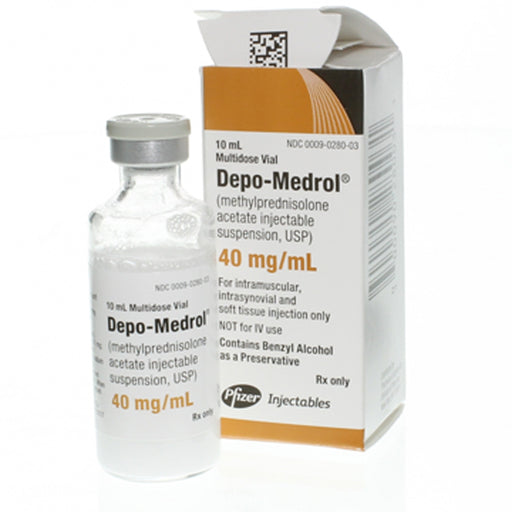
Original price $ 229.95Current price $ 159.00Depo-Medrol Injection 40 mg Vial 10 mL by Hospira Pfizer (Rx)
INDEPENDENCE DAY 10% OFFSpend $100, you'd pay Qualifying order You've reached $100 — 10% off is now active $ 143.10
2 reviewsDepo-Medrol 40 mg Depo-Medrol is a brand name for methylprednisolone acetate, a long-acting corticosteroid. It is supplied as a white/oral suspensi...
View full details🔒 Medical License Required -
 Sale 34%
Original price $ 45.00Current price $ 29.55
Sale 34%
Original price $ 45.00Current price $ 29.55Depo-Medrol Methylprednisolone Acetate 80 mg for Injection 1 mL Vial (Rx)
INDEPENDENCE DAY 10% OFFSpend $100, you'd pay Qualifying order You've reached $100 — 10% off is now active $ 26.59
Discover unparalleled relief from inflammation and associated conditions with Pfizer's Depo-Medrol Methylprednisolone Acetate. This powerful cortic...
View full details🔒 Medical License Required -
 Sale 29%
Original price $ 5,295.00Current price $ 3,750.00
Sale 29%
Original price $ 5,295.00Current price $ 3,750.00Depo Medrol for Injection 80 mg, 5 mL x 25/Pack
INDEPENDENCE DAY 10% OFFSpend $100, you'd pay Qualifying order You've reached $100 — 10% off is now active $ 3,375.00
Depo Medrol 80 mg is an injectable corticosteroid. It is used to decrease inflammation caused by allergic, respiratory, skin, and eye reactions and...
View full details🔒 Medical License Required -
 Sale 31%
Original price $ 549.95Current price $ 379.00
Sale 31%
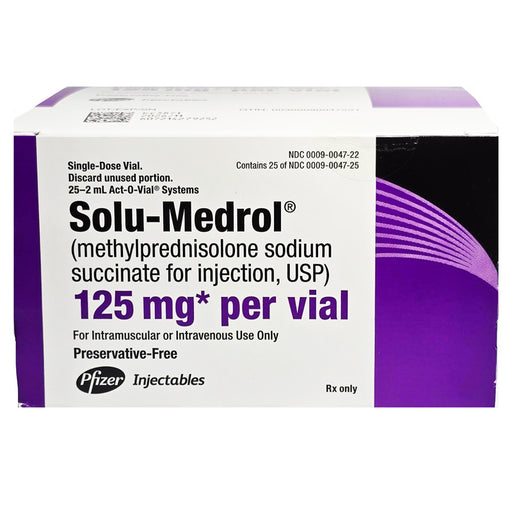
Original price $ 549.95Current price $ 379.00Solu Medrol 125 mg Injection Methylprednisolone Sodium Succinate 2 ml Vials, 25/Pack (RX)
INDEPENDENCE DAY 10% OFFSpend $100, you'd pay Qualifying order You've reached $100 — 10% off is now active $ 341.10
1 reviewSolu-Medrol 125 mg Injection (Methylprednisolone Sodium Succinate) Solu-Medrol is a water-soluble corticosteroid injection (methylprednisolone sod...
View full details🔒 Medical License Required -
 Sold out
Original price $ 15.95Current price $ 10.85
Sold out
Original price $ 15.95Current price $ 10.85Methylprednisolone Tablets 4 mg 21 Count (Rx)
INDEPENDENCE DAY 10% OFFSpend $100, you'd pay Qualifying order You've reached $100 — 10% off is now active $ 9.761 reviewPowerful Prescription Steroid for Inflammation, Allergies, Autoimmune Disorders, and More Experience fast, effective relief with Methylprednisolone...
View full details -
 Sale 23%
Original price $ 24.50Current price $ 18.90
Sale 23%
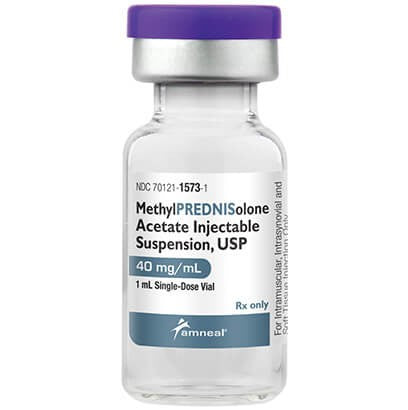
Original price $ 24.50Current price $ 18.90Methylprednisolone Acetate Injection 40 mg/1 mL Single-dose Vial (Depo-Medrol) (Rx)
INDEPENDENCE DAY 10% OFFSpend $100, you'd pay Qualifying order You've reached $100 — 10% off is now active $ 17.012 reviewsStop severe bacterial infections in their tracks with Cefepime Injection Antibiotic 2 Gram Powder Vial by Apotex Corporation—a trusted, hospital-gr...
View full details🔒 Medical License Required -
 Sold out
Original price $ 59.95Current price $ 34.50
Sold out
Original price $ 59.95Current price $ 34.50Methylprednisolone Acetate Injection 80 mg/1 mL Single-dose Vial (Rx)
INDEPENDENCE DAY 10% OFFSpend $100, you'd pay Qualifying order You've reached $100 — 10% off is now active $ 31.05Methylprednisolone Acetate Injection 80 mg/1 mL (Generic Depo-Medrol) by Anneal Pharmaceuticals is a potent corticosteroid used to reduce inflammat...
View full details -
 Sale 22%
Original price $ 299.95Current price $ 235.00
Sale 22%
Original price $ 299.95Current price $ 235.00Solu-Medrol Injection 40 mg Single-dose Act-O-Vial System Vials 25/Tray by Pfzier (RX)
INDEPENDENCE DAY 10% OFFSpend $100, you'd pay Qualifying order You've reached $100 — 10% off is now active $ 211.50
Solu-Medrol Injection 40 mg is a brand name for an injectable form of methylprednisolone sodium succinate, which is a synthetic corticosteroid (ste...
View full details🔒 Medical License Required -
 Sale
$ 115.00
Sale
$ 115.00Methylprednisolone Acetate USP (Micronized) For Compounding (API)
INDEPENDENCE DAY 10% OFFSpend $100, you'd pay Qualifying order You've reached $100 — 10% off is now active $ 103.50Methylprednisolone Acetate USP (Micronized) For Compounding (API) is a potent corticosteroid used for its anti-inflammatory and immunosuppressive p...
View full details🔒 Medical License Required -
 Sale 28%
Original price $ 179.95Current price $ 129.00
Sale 28%
Original price $ 179.95Current price $ 129.00Methylprednisolone Injection 80 mg Multiple-Dose Vial 5 mL (RX)
INDEPENDENCE DAY 10% OFFSpend $100, you'd pay Qualifying order You've reached $100 — 10% off is now active $ 116.10Methylprednisolone Injection (80 mg) Methylprednisolone is a synthetic corticosteroid (glucocorticoid) used to reduce severe inflammation and modul...
View full details🔒 Medical License Required














People Also Searched For
Depo-Medrol Injections
Depo-Medrol (generic: methylprednisolone acetate) is a corticosteroid (glucocorticoid) injection used to treat inflammation. It is a long-acting form of the steroid methylprednisolone given by injection (typically intramuscularly or into a joint/lesion). In effect, Depo-Medrol suppresses the immune system’s inflammatory response by preventing the release of substances that cause inflammation. As the official prescribing information puts it, “DEPO-MEDROL is an anti-inflammatory glucocorticoid for intramuscular, intra-articular, soft tissue or intralesional injection”. In simpler terms, it’s a “depot” steroid injection that doctors use when they need a strong, long-lasting anti-inflammatory effect (for example, when oral steroids won’t work quickly enough or when a localized steroid shot is needed).
People receive Depo-Medrol injections for various severe inflammatory conditions. For example, it is used for:
- Rheumatic/autoimmune disorders: such as rheumatoid arthritis or gouty arthritis, systemic lupus erythematosus (SLE) and similar connective-tissue diseases.
- Dermatologic and allergic conditions: severe skin inflammations (e.g. psoriasis or eczema), allergic reactions, or asthma exacerbations where rapid inflammation control is required.
- Other inflammatory diseases: including inflammatory bowel disease like ulcerative colitis, certain endocrine disorders, and various severe allergic syndromes.
In each case, Depo-Medrol is chosen to rapidly reduce pain, swelling and other symptoms caused by inflammation. Because it is a powerful steroid injection, it is given only by healthcare professionals and usually only when needed for more serious or refractory cases.
Depo-Medrol (methylprednisolone acetate) is a long-acting corticosteroid given by injection. It is used to rapidly reduce inflammation in a variety of serious conditions. Because it’s a powerful steroid, Depo-Medrol is typically reserved for acute flares or severe cases when other treatments are insufficient. Common uses include:
-
Rheumatologic/musculoskeletal conditions: Depo-Medrol is frequently injected into joints or muscles to treat inflammatory arthritis (such as rheumatoid arthritis, juvenile RA, psoriatic arthritis) and related disorders. It relieves pain and swelling in acute gouty arthritis, osteoarthritis with synovitis, acute rheumatic carditis, ankylosing spondylitis, and other joint/bursa/tendon inflammations like bursitis, epicondylitis (tennis elbow), and tenosynovitis. This is the classic “cortisone shot” use to rapidly control severe joint or tendon inflammation.
-
Allergic and respiratory conditions: It is used in severe allergic reactions or asthma exacerbations that do not respond well to standard therapy. For example, Depo-Medrol can be given intramuscularly to control incapacitating asthma attacks, severe contact dermatitis, drug hypersensitivity reactions, serum sickness or transfusion reactions when immediate steroid effect is needed.
-
Skin and dermatologic disorders: Depo-Medrol treats serious skin inflammations. This includes disorders like psoriasis, psoriasis vulgaris, bullous dermatitis (e.g. pemphigus), Stevens-Johnson syndrome, exfoliative dermatitis, and other severe eczema or dermatitis. Intra-lesional injections (into the skin) can be used for keloids, alopecia areata, lichen planus, granuloma annulare, and hypertrophic scars/clacinosis. Essentially, any severe inflammatory skin disease unresponsive to topical therapy may be treated with Depo-Medrol injections.
-
Autoimmune and hematologic diseases: It is indicated in certain blood or immune-mediated conditions. For instance, acquired (autoimmune) hemolytic anemia, immune thrombocytopenic purpura, idiopathic thrombocytopenic purpura (as part of regimen), Diamond-Blackfan anemia, and other blood disorders may require Depo-Medrol to suppress overactive immune reactions. Depo-Medrol is also used in connective tissue diseases like systemic lupus erythematosus (SLE), dermatomyositis, polymyositis, and scleroderma to control severe systemic inflammation. In cancer care, it is often given for palliative management of leukemias and lymphomas (to reduce tumor-related inflammation and improve appetite/energy).
-
Endocrine and metabolic uses: In adrenal insufficiency (Addison’s disease or congenital adrenal hyperplasia), Depo-Medrol can be used when oral steroids are not feasible, although hydrocortisone is preferred. It also treats hypercalcemia of malignancy by reducing bone resorption and intestinal calcium absorption. In general, any severe endocrine inflammation (e.g. subacute thyroiditis) may be an indication.
-
Gastrointestinal and miscellaneous: Depo-Medrol may be used to manage acute exacerbations of inflammatory bowel diseases. For example, it can “tide the patient over” during severe flares of Crohn’s disease (regional enteritis) or ulcerative colitis when immediate anti-inflammatory therapy is needed. Other uses encompass tuberculous meningitis (with anti-TB drugs), acute bacterial meningitis edema, symptomatic sarcoidosis, eosinophilic pneumonia, and other organ-specific inflammatory conditions. It is also indicated for severe ophthalmic inflammations unresponsive to topical steroids (e.g. uveitis, sympathetic ophthalmia).
In summary, Depo-Medrol injections are used for short-term control of acute or severe inflammation in many systems – joints, skin, lungs, blood, and more. It is given by a healthcare professional, often directly into the affected area (joint, muscle or lesion). Typical examples include a single steroid “shot” for a flaring arthritic joint, or an intramuscular injection for a severe asthma attack when immediate action is needed. Always follow a doctor’s guidance for dosing and frequency, since corticosteroid injections have potent effects and the potential for side effects.
Depo-Medrol (Methylprednisolone Acetate) Dosing
Depo-Medrol (methylprednisolone acetate) is a long-acting injectable corticosteroid. There is no one “standard” dose – the amount given depends entirely on the condition being treated (joint vs systemic) and the size of the injection site. In general, adult intramuscular (IM) doses for systemic inflammatory or allergic conditions are on the order of tens of milligrams (for example, 40–80 mg IM one time, sometimes repeated once after 1–2 days if needed). For intra-articular or local injections (e.g. into joints, bursae, tendon sheaths or soft tissue), much smaller doses are used, tailored to the site:
- Large joints (e.g. knee, shoulder, ankle): ~20–80 mg of Depo-Medrol per injection.
- Medium joints (e.g. elbow, wrist): ~10–40 mg per injection.
- Small joints (e.g. finger joints, toes): ~4–10 mg per injection.
- Tendon sheath or soft tissue sites (eg. epicondylitis, cysts): ~4–30 mg per injection. (often 10–20 mg).
Hence, a single Depo-Medrol dose could range from as low as 4 mg (small joint injection) up to 80 mg (large joint or soft tissue injection). Repeated injections are sometimes given (for example, up to a few injections per week in severe chronic arthritis) but must be spaced according to quality guidelines due to systemic effects. Always use the lowest effective dose for the indication, under medical supervision.
Depo-Medrol Side Effects
Depo-Medrol (methylprednisolone acetate) is a long‐acting corticosteroid given by injection. Its side effects are essentially those of systemic glucocorticoids. Common adverse effects include:
- Metabolic/Cushingoid effects: Weight gain (especially “moon face” or fat on neck/upper back), increased appetite, fluid retention and hypertension. It often causes high blood sugar (hyperglycemia), possibly precipitating or worsening diabetes. (Patients may also experience edema or “steroid face” from fluid shifts.)
- Musculoskeletal: Muscle weakness or fatigue (“steroid myopathy”) and joint pain or bone pain. With repeated or chronic use, bone loss (osteoporosis) and increased fracture risk can occur. (Rarely, tendon damage or rupture can happen, for example after joint injections.
- Neuropsychiatric: Insomnia, anxiety or nervousness, headaches, and mood or personality changes. High doses can trigger depression, irritability, euphoria or even steroid-induced psychosis (hallucinations, agitation or suicidal thoughts). These effects are usually dose-dependent and often subside when the drug is reduced.
- Gastrointestinal: Nausea, stomach discomfort, bloating, or dyspepsia. Long-term steroid use can increase the risk of peptic ulcers, GI bleeding or pancreatitis. Patients should report severe abdominal pain or bloody stools immediately.
- Skin: Thinning of the skin, easy bruising, acne or “steroid pimples,” increased sweating, and delayed wound healing are common. Stretch marks (purple striae) and skin discoloration may develop with chronic use. (Localized atrophy at injection sites is also possible.)
- Endocrine: Corticosteroids suppress the adrenal axis. This can cause menstrual irregularities and, with protracted use, adrenal insufficiency if the drug is stopped abruptly. Steroids often cause hypokalemia and sodium retention (leading to further fluid gain). Long-term use often produces the syndrome of Cushing (fat redistribution, growth suppression in children, hyperglycemia, etc.).
- Ocular: Prolonged use may lead to glaucoma (increased eye pressure) and cataracts. Patients should report visual changes or eye pain.
- Immune/Infection risk: Steroids suppress immunity. Depo-Medrol can mask infection signs or increase susceptibility to infections (including reactivation of latent tuberculosis). Fever, sore throat or other infection symptoms should prompt medical attention.
- Local injection-site reactions: Pain, redness, swelling or tissue irritation at the injection site are common. Repeated intramuscular or intra-articular injections can occasionally cause fat atrophy or discoloration of skin at the site. (Allergic reactions like rash or hives are rare but possible.)
Most side effects are dose-dependent and tend to reverse when the medication is tapered or stopped. Because Depo-Medrol can affect many organ systems, patients on this medication are monitored (blood pressure, glucose, bone density, etc.) during treatment. Any new or severe symptoms (like significant mood changes, vision problems, severe stomach pain or signs of infection) should be reported to a doctor immediately.
How Depo-Medrol Works
Depo-Medrol is an injectable, long‐acting form of methylprednisolone – a synthetic corticosteroid (glucocorticoid) drug. It is used to rapidly treat acute inflammation and severe allergic or autoimmune flares (for example, severe arthritis, bursitis, asthma exacerbations, allergic reactions, etc.) that have not responded to other treatments. Like natural cortisol, methylprednisolone modulates the immune and inflammatory response.
How it works: Once injected, Depo-Medrol slowly releases methylprednisolone into tissues. The drug then diffuses into cells and binds to the intracellular glucocorticoid receptor. The steroid–receptor complex moves into the cell nucleus and alters gene transcription. In particular, methylprednisolone suppresses pro-inflammatory genes and boosts anti-inflammatory genes. This has several downstream effects:
- Reduced inflammation: It blocks key inflammatory pathways. For example, it inhibits the transcription factor NF-κB and other pro-inflammatory transcription factors, reducing the production of cytokines (like interleukins, TNF-α, etc.) that drive swelling, redness and pain. It also decreases capillary dilation and permeability, so fewer immune cells (neutrophils, eosinophils, etc.) migrate into inflamed tissues. In short, Depo-Medrol “turns down” the inflammatory response.
- Inhibition of inflammatory enzymes: Methylprednisolone inhibits enzymes in the arachidonic acid pathway. It lowers phospholipase A2 activity and suppresses cyclooxygenase-2 (COX-2) expression. As a result, fewer prostaglandins and leukotrienes (chemicals that cause pain and swelling) are produced.
- Immunosuppressive effects: At higher doses or with prolonged use, it dampens immune function. It can cause some white blood cells to undergo apoptosis or demarginate so that the overall immune response is blunted. This is why it can control allergic or autoimmune reactions.
Overall, by altering gene expression, Depo-Medrol powerfully tempers inflammation and the immune response, relieving symptoms like swelling, redness, itching, and pain. (For example, a patient information source notes that methylprednisolone “imitates the actions of naturally occurring corticosteroid hormones” to relieve such inflammatory symptoms).
Depot formulation and duration: Depo-Medrol is formulated as a methylprednisolone acetate suspension, meaning the drug dissolves and absorbs slowly. When given by injection (intramuscularly or into a joint), the onset of effect is somewhat delayed (often a few days to a week), but the anti-inflammatory effect can last for weeks to a month. For example, intra-articular injections can begin working in about a week and typically last 1–5 weeks. This makes Depo-Medrol useful for providing sustained relief in acute flares without daily dosing.
Key points
- Steroid class: Depo-Medrol is methylprednisolone acetate, a synthetic glucocorticoid roughly 5× as potent as cortisol with minimal “mineralocorticoid” (salt-retaining) effect.
- Anti-inflammatory action: It works at the gene level to decrease production of inflammatory mediators (cytokines, prostaglandins, etc.) and increase anti-inflammatory proteins. This quickly reduces tissue inflammation (swelling, redness, heat) and pain.
- Immunosuppression: By reducing immune cell migration and inhibiting cytokine production, it suppresses overactive immune responses (e.g. allergies, autoimmune flares).
- Administration: As a depot injection, it provides a long-lasting effect. Its slow release means fewer injections are needed for short-term flares, but full effects build over hours to days.
- Duration: The injected drug’s effect can last a few weeks, depending on site and dose.
Bottom line: Depo-Medrol works by mimicking the body’s natural corticosteroids and inducing broad anti-inflammatory gene regulation. It quickly dampens inflammation and immune activity at the site of injection, providing relief from pain and swelling for an extended period. Always use it under physician supervision, as systemic steroids have significant effects and potential side effects.
Depo-Medrol (methylprednisolone acetate) is a long-acting corticosteroid given by injection. It is used to rapidly reduce inflammation in a variety of serious conditions. Because it’s a powerful steroid, Depo-Medrol is typically reserved for acute flares or severe cases when other treatments are insufficient. Common uses include:
-
Rheumatologic/musculoskeletal conditions: Depo-Medrol is frequently injected into joints or muscles to treat inflammatory arthritis (such as rheumatoid arthritis, juvenile RA, psoriatic arthritis) and related disorders. It relieves pain and swelling in acute gouty arthritis, osteoarthritis with synovitis, acute rheumatic carditis, ankylosing spondylitis, and other joint/bursa/tendon inflammations like bursitis, epicondylitis (tennis elbow), and tenosynovitis. This is the classic “cortisone shot” use to rapidly control severe joint or tendon inflammation.
-
Allergic and respiratory conditions: It is used in severe allergic reactions or asthma exacerbations that do not respond well to standard therapy. For example, Depo-Medrol can be given intramuscularly to control incapacitating asthma attacks, severe contact dermatitis, drug hypersensitivity reactions, serum sickness or transfusion reactions when immediate steroid effect is needed.
-
Skin and dermatologic disorders: Depo-Medrol treats serious skin inflammations. This includes disorders like psoriasis, psoriasis vulgaris, bullous dermatitis (e.g. pemphigus), Stevens-Johnson syndrome, exfoliative dermatitis, and other severe eczema or dermatitis. Intra-lesional injections (into the skin) can be used for keloids, alopecia areata, lichen planus, granuloma annulare, and hypertrophic scars/clacinosis. Essentially, any severe inflammatory skin disease unresponsive to topical therapy may be treated with Depo-Medrol injections.
-
Autoimmune and hematologic diseases: It is indicated in certain blood or immune-mediated conditions. For instance, acquired (autoimmune) hemolytic anemia, immune thrombocytopenic purpura, idiopathic thrombocytopenic purpura (as part of regimen), Diamond-Blackfan anemia, and other blood disorders may require Depo-Medrol to suppress overactive immune reactions. Depo-Medrol is also used in connective tissue diseases like systemic lupus erythematosus (SLE), dermatomyositis, polymyositis, and scleroderma to control severe systemic inflammation. In cancer care, it is often given for palliative management of leukemias and lymphomas (to reduce tumor-related inflammation and improve appetite/energy).
-
Endocrine and metabolic uses: In adrenal insufficiency (Addison’s disease or congenital adrenal hyperplasia), Depo-Medrol can be used when oral steroids are not feasible, although hydrocortisone is preferred. It also treats hypercalcemia of malignancy by reducing bone resorption and intestinal calcium absorption. In general, any severe endocrine inflammation (e.g. subacute thyroiditis) may be an indication.
-
Gastrointestinal and miscellaneous: Depo-Medrol may be used to manage acute exacerbations of inflammatory bowel diseases. For example, it can “tide the patient over” during severe flares of Crohn’s disease (regional enteritis) or ulcerative colitis when immediate anti-inflammatory therapy is needed. Other uses encompass tuberculous meningitis (with anti-TB drugs), acute bacterial meningitis edema, symptomatic sarcoidosis, eosinophilic pneumonia, and other organ-specific inflammatory conditions. It is also indicated for severe ophthalmic inflammations unresponsive to topical steroids (e.g. uveitis, sympathetic ophthalmia).
In summary, Depo-Medrol injections are used for short-term control of acute or severe inflammation in many systems – joints, skin, lungs, blood, and more. It is given by a healthcare professional, often directly into the affected area (joint, muscle or lesion). Typical examples include a single steroid “shot” for a flaring arthritic joint, or an intramuscular injection for a severe asthma attack when immediate action is needed. Always follow a doctor’s guidance for dosing and frequency, since corticosteroid injections have potent effects and the potential for side effects.
Depo-Medrol (Methylprednisolone Acetate) Dosing
Depo-Medrol (methylprednisolone acetate) is a long-acting injectable corticosteroid. There is no one “standard” dose – the amount given depends entirely on the condition being treated (joint vs systemic) and the size of the injection site. In general, adult intramuscular (IM) doses for systemic inflammatory or allergic conditions are on the order of tens of milligrams (for example, 40–80 mg IM one time, sometimes repeated once after 1–2 days if needed). For intra-articular or local injections (e.g. into joints, bursae, tendon sheaths or soft tissue), much smaller doses are used, tailored to the site:
- Large joints (e.g. knee, shoulder, ankle): ~20–80 mg of Depo-Medrol per injection.
- Medium joints (e.g. elbow, wrist): ~10–40 mg per injection.
- Small joints (e.g. finger joints, toes): ~4–10 mg per injection.
- Tendon sheath or soft tissue sites (eg. epicondylitis, cysts): ~4–30 mg per injection. (often 10–20 mg).
Hence, a single Depo-Medrol dose could range from as low as 4 mg (small joint injection) up to 80 mg (large joint or soft tissue injection). Repeated injections are sometimes given (for example, up to a few injections per week in severe chronic arthritis) but must be spaced according to quality guidelines due to systemic effects. Always use the lowest effective dose for the indication, under medical supervision.
Depo-Medrol Side Effects
Depo-Medrol (methylprednisolone acetate) is a long‐acting corticosteroid given by injection. Its side effects are essentially those of systemic glucocorticoids. Common adverse effects include:
- Metabolic/Cushingoid effects: Weight gain (especially “moon face” or fat on neck/upper back), increased appetite, fluid retention and hypertension. It often causes high blood sugar (hyperglycemia), possibly precipitating or worsening diabetes. (Patients may also experience edema or “steroid face” from fluid shifts.)
- Musculoskeletal: Muscle weakness or fatigue (“steroid myopathy”) and joint pain or bone pain. With repeated or chronic use, bone loss (osteoporosis) and increased fracture risk can occur. (Rarely, tendon damage or rupture can happen, for example after joint injections.
- Neuropsychiatric: Insomnia, anxiety or nervousness, headaches, and mood or personality changes. High doses can trigger depression, irritability, euphoria or even steroid-induced psychosis (hallucinations, agitation or suicidal thoughts). These effects are usually dose-dependent and often subside when the drug is reduced.
- Gastrointestinal: Nausea, stomach discomfort, bloating, or dyspepsia. Long-term steroid use can increase the risk of peptic ulcers, GI bleeding or pancreatitis. Patients should report severe abdominal pain or bloody stools immediately.
- Skin: Thinning of the skin, easy bruising, acne or “steroid pimples,” increased sweating, and delayed wound healing are common. Stretch marks (purple striae) and skin discoloration may develop with chronic use. (Localized atrophy at injection sites is also possible.)
- Endocrine: Corticosteroids suppress the adrenal axis. This can cause menstrual irregularities and, with protracted use, adrenal insufficiency if the drug is stopped abruptly. Steroids often cause hypokalemia and sodium retention (leading to further fluid gain). Long-term use often produces the syndrome of Cushing (fat redistribution, growth suppression in children, hyperglycemia, etc.).
- Ocular: Prolonged use may lead to glaucoma (increased eye pressure) and cataracts. Patients should report visual changes or eye pain.
- Immune/Infection risk: Steroids suppress immunity. Depo-Medrol can mask infection signs or increase susceptibility to infections (including reactivation of latent tuberculosis). Fever, sore throat or other infection symptoms should prompt medical attention.
- Local injection-site reactions: Pain, redness, swelling or tissue irritation at the injection site are common. Repeated intramuscular or intra-articular injections can occasionally cause fat atrophy or discoloration of skin at the site. (Allergic reactions like rash or hives are rare but possible.)
Most side effects are dose-dependent and tend to reverse when the medication is tapered or stopped. Because Depo-Medrol can affect many organ systems, patients on this medication are monitored (blood pressure, glucose, bone density, etc.) during treatment. Any new or severe symptoms (like significant mood changes, vision problems, severe stomach pain or signs of infection) should be reported to a doctor immediately.
How Depo-Medrol Works
Depo-Medrol is an injectable, long‐acting form of methylprednisolone – a synthetic corticosteroid (glucocorticoid) drug. It is used to rapidly treat acute inflammation and severe allergic or autoimmune flares (for example, severe arthritis, bursitis, asthma exacerbations, allergic reactions, etc.) that have not responded to other treatments. Like natural cortisol, methylprednisolone modulates the immune and inflammatory response.
How it works: Once injected, Depo-Medrol slowly releases methylprednisolone into tissues. The drug then diffuses into cells and binds to the intracellular glucocorticoid receptor. The steroid–receptor complex moves into the cell nucleus and alters gene transcription. In particular, methylprednisolone suppresses pro-inflammatory genes and boosts anti-inflammatory genes. This has several downstream effects:
- Reduced inflammation: It blocks key inflammatory pathways. For example, it inhibits the transcription factor NF-κB and other pro-inflammatory transcription factors, reducing the production of cytokines (like interleukins, TNF-α, etc.) that drive swelling, redness and pain. It also decreases capillary dilation and permeability, so fewer immune cells (neutrophils, eosinophils, etc.) migrate into inflamed tissues. In short, Depo-Medrol “turns down” the inflammatory response.
- Inhibition of inflammatory enzymes: Methylprednisolone inhibits enzymes in the arachidonic acid pathway. It lowers phospholipase A2 activity and suppresses cyclooxygenase-2 (COX-2) expression. As a result, fewer prostaglandins and leukotrienes (chemicals that cause pain and swelling) are produced.
- Immunosuppressive effects: At higher doses or with prolonged use, it dampens immune function. It can cause some white blood cells to undergo apoptosis or demarginate so that the overall immune response is blunted. This is why it can control allergic or autoimmune reactions.
Overall, by altering gene expression, Depo-Medrol powerfully tempers inflammation and the immune response, relieving symptoms like swelling, redness, itching, and pain. (For example, a patient information source notes that methylprednisolone “imitates the actions of naturally occurring corticosteroid hormones” to relieve such inflammatory symptoms).
Depot formulation and duration: Depo-Medrol is formulated as a methylprednisolone acetate suspension, meaning the drug dissolves and absorbs slowly. When given by injection (intramuscularly or into a joint), the onset of effect is somewhat delayed (often a few days to a week), but the anti-inflammatory effect can last for weeks to a month. For example, intra-articular injections can begin working in about a week and typically last 1–5 weeks. This makes Depo-Medrol useful for providing sustained relief in acute flares without daily dosing.
Key points
- Steroid class: Depo-Medrol is methylprednisolone acetate, a synthetic glucocorticoid roughly 5× as potent as cortisol with minimal “mineralocorticoid” (salt-retaining) effect.
- Anti-inflammatory action: It works at the gene level to decrease production of inflammatory mediators (cytokines, prostaglandins, etc.) and increase anti-inflammatory proteins. This quickly reduces tissue inflammation (swelling, redness, heat) and pain.
- Immunosuppression: By reducing immune cell migration and inhibiting cytokine production, it suppresses overactive immune responses (e.g. allergies, autoimmune flares).
- Administration: As a depot injection, it provides a long-lasting effect. Its slow release means fewer injections are needed for short-term flares, but full effects build over hours to days.
- Duration: The injected drug’s effect can last a few weeks, depending on site and dose.
Bottom line: Depo-Medrol works by mimicking the body’s natural corticosteroids and inducing broad anti-inflammatory gene regulation. It quickly dampens inflammation and immune activity at the site of injection, providing relief from pain and swelling for an extended period. Always use it under physician supervision, as systemic steroids have significant effects and potential side effects.