Skip to content

Added to your cart:

Cart subtotal

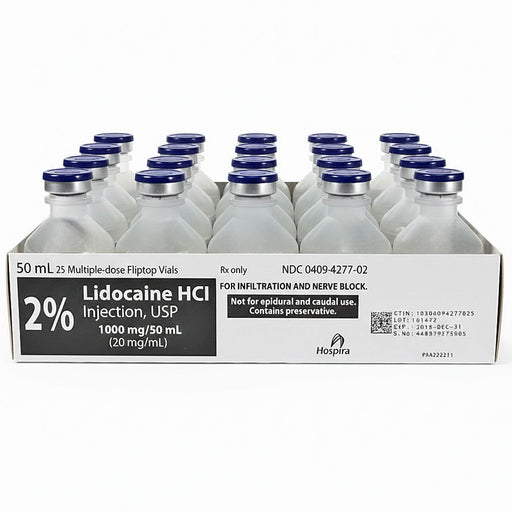
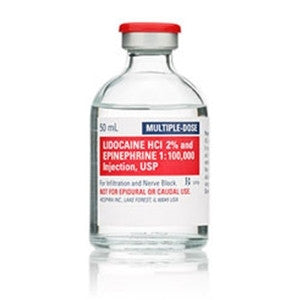
Lidocaine 2%, Lidocaine Injection Numbing Shot 20 mL Multi-Dose Vials Hospira Pfizer 25/tray (Rx) Expiration 2/28/27

SKU: 0409-4277-01
Sale 40%
Original price $ 175.00
Current price $ 105.00
Non-Returnable
*Mountainside Medical does not fill personal prescriptions Medical Professional License Required to Unlock Account

How to Order:

Send an email request to: sales@mountainside-medical.com

You will receive instructions on how to create an account along with Rx Ordering Details.

(Note: Acceptable licenses must have Prescriptive Authority in the license issuing state.)
Fast Delivery
Fast Delivery
24/7 Support
24/7 Support
No Returns
No Returns
Hospital Grade
Hospital Grade
Free Shipping on orders above $100
Payment Secure transaction
Packaging Ships in product packaging
Service-Disabled Veteran-Owned Small Business
Located in Adirondack Mountains in NY
Family Owned Business 2002
Sale 40%
Original price $ 175.00
Current price $ 105.00
Free Shipping on orders above $100
Payment Secure transaction
Packaging Ships in product packaging
Lidocaine 2%, Lidocaine Injection Numbing Shot 20 mL Multi-Dose Vials Hospira Pfizer 25/tray (Rx) Expiration 2/28/27
$ 175.00 $ 105.00
🔒 Medical License Required
Description

Lidocaine 2% Injection - Multi-Dose

Lidocaine HCl 2% injection is an amide-type local anesthetic. The “2%” means 20 mg of lidocaine per mL of solution. It usually comes in sterile multi-dose vials (e.g. 5–30 mL) that contain a small amount of preservative (methylparaben, ~0.1%). Multi-dose vials allow repeated withdrawals (with a new sterile needle each time), unlike single-use ampoules. Because of the preservative, this formulation is not used for spinal or epidural anesthesia. (In spinal/epidural blocks, preservative-free lidocaine is required.)

Lidocaine works by blocking voltage-gated sodium channels on nerve cell membranes, stabilizing the membrane and preventing nerve impulse conduction. In practice, this numbs tissue in the area of injection. Its onset is fairly quick (minutes) and duration is moderate (on the order of 1–2 hours for a typical dose, longer if a vasoconstrictor is added).

Uses (Indications)

Lidocaine 2% injection is used by clinicians (doctors, dentists, nurses) to produce local/regional anesthesia. Common uses include:

  • Local infiltration: Injected directly into skin, subcutaneous tissue, or wounds to numb a small area (e.g. laceration repair, skin biopsy, or before IV cannulation).
  • Peripheral nerve blocks: Injected near nerve trunks or plexuses to block sensation in a limb or region. (Examples: digital blocks for fingers/toes, brachial plexus block for arm surgery, intercostal nerve block for rib pain, etc.)
  • IV regional anesthesia (“Bier block”): An intravenous tourniquet technique for arm/hand procedures. (This is done with a diluted lidocaine solution; typically a 0.5% lidocaine is used, not the 2% vial, and max dose is about 4 mg/kg).)
  • Epidural/caudal blocks: Official prescribing info mentions epidural and caudal blocks as possible techniques. (In practice, the preserved multi-dose vial should NOT be used intrathecally. If lidocaine epidural is needed, a preservative-free solution is required.)

(Clinically: lidocaine 2% by itself (without epi) is often used for procedures needing quick numbing without long duration. For longer effect or to reduce bleeding, epinephrine (typically 1:100,000) is often added – but standard 2% vials do not contain epinephrine.)

Dosing and Administration

Lidocaine 2% is given by a healthcare professional via syringe and needle. It may be injected:

  • Subcutaneously/infiltrated into the area (often 1–5 mL per site, depending on area size).
  • Nerve block: injected around a nerve or bundle (total volumes vary – e.g. 5–10 mL for a digital block, 20–30 mL for a large plexus block).
  • IV injection (Bier block): injected into a vein of the isolated limb (with a tourniquet applied); see trained protocols for dosing.

Although concentrations like 0.5%–1% are sometimes used (by dilution), 2% = 20 mg/mL is the stock strength. For example, 10 mL of 2% lidocaine contains 200 mg of drug. Maximum doses: Adults should generally not exceed ~4.5 mg/kg of plain lidocaine (about 300 mg total) in a single setting. With epinephrine, the allowable dose is higher (up to ~7 mg/kg; ≈500 mg). (In practical terms, that’s about 15 mL of 2% lidocaine without epi as a safe upper limit, or 25 mL with epi.) Always calculate maximum by weight, especially in children: statPearls notes 4.5 mg/kg without epi (not exceeding 300 mg total) as a guideline.

Administration technique: After applying standard sterile technique, the clinician aspirates-locates the vein or infiltration point, and injects the solution slowly, often with intermittent aspiration to avoid intravascular injection. Care is taken not to exceed recommended dose. For IV regional blocks, a tourniquet is used and a lower concentration (0.5%) is given slowly (the lidocaine 2% vial is diluted accordingly). Each injection site is monitored; usually the area becomes numb within a few minutes.

Side Effects and Cautions

The most common “side effect” of lidocaine injection is that the area goes numb (which is intended). Other local effects: slight pain or burning on injection, bruising, or redness can occur at the injection site. Systemic effects are mostly related to excessive blood levels (either by overdose or accidental IV injection). Key cautions:

  • CNS toxicity: Early signs of high lidocaine levels include lightheadedness, tinnitus (ringing in ears), visual disturbances, and numbness of tongue or lips. Severe overdose can cause tremors, seizures, respiratory depression or arrest, and unconsciousness. (These occur if lidocaine reaches toxic plasma levels.)
  • Cardiac effects: Excessive lidocaine can depress cardiac contractility and conduction. Paradoxically, at toxic levels it may first cause high blood pressure or fast heartbeat, then severe hypotension, slow pulse, or arrhythmias. Overdose can even lead to cardiac arrest. These risks are why resuscitation equipment (oxygen, IV fluids, etc.) should always be available when performing large blocks.
  • Allergic reactions: True allergy to lidocaine (an amide anesthetic) is rare, but reactions like rash, itching, or very rarely anaphylaxis can occur. Note that patients may also react to the preservative (methylparaben) in multi-dose vials. If a prior reaction to lidocaine or similar anesthetics is known, do not use it.
  • Methemoglobinemia: Lidocaine can, in rare cases (especially at high doses or in certain vulnerable patients), cause methemoglobinemia (where blood carries less oxygen). Watch for unexplained cyanosis (skin/blueness) or hypoxia after injection.

Contraindications and precautions: Do not use lidocaine 2% if the patient is allergic to amide local anesthetics. Avoid intravascular injection – aspirate before injecting deeply. Use the lowest effective dose and inject slowly. Be cautious in pregnancy, heart block, or severe shock; dose may need reduction. Important: Do not use the preserved 2% lidocaine solution for epidural or spinal anesthesia or brain blocks (only preservative-free formulations are safe for those). Also, do not mix lidocaine in the same syringe with certain drugs unless compatible (e.g. avoid mixing with thiopental). If combining with epinephrine, use concentrations like 1:100,000 as appropriate (commonly premixed or by adding epi via injection).

If toxicity occurs (e.g. seizures), stop dosing immediately. Support respiration and circulation as needed, and consider giving intravenous lipid emulsion (in hospital settings) as an antidote for local anesthetic systemic toxicity.

Summary

  • Lidocaine 2% injection is a powerful local anesthetic (20 mg/mL) for infiltration and nerve blocks. Multi-dose vials contain preservative (so cannot be used intrathecally).
  • Administer by qualified providers only. Dosage depends on procedure and patient size. Maximum dose is ~4.5 mg/kg without epinephrine (around 300 mg or 15 mL of 2%) (or ~7 mg/kg with epinephrine)..
  • Monitor closely for signs of toxicity. Early symptoms (tinnitus, perioral numbness) signal excess. High blood levels can cause seizures and heart complications. Have resuscitation gear ready during large or deep blocks.
  • Allergy: Rare but possible. If any hypersensitivity occurs (rash, difficulty breathing), stop immediately and treat supportively.
  • Do not use for spinal/epidural blocks (the preservative is not safe intrathecally). Always aspirate before injecting to ensure the solution is not in a vessel.
Description

Lidocaine 2% Injection - Multi-Dose

Lidocaine HCl 2% injection is an amide-type local anesthetic. The “2%” means 20 mg of lidocaine per mL of solution. It usually comes in sterile multi-dose vials (e.g. 5–30 mL) that contain a small amount of preservative (methylparaben, ~0.1%). Multi-dose vials allow repeated withdrawals (with a new sterile needle each time), unlike single-use ampoules. Because of the preservative, this formulation is not used for spinal or epidural anesthesia. (In spinal/epidural blocks, preservative-free lidocaine is required.)

Lidocaine works by blocking voltage-gated sodium channels on nerve cell membranes, stabilizing the membrane and preventing nerve impulse conduction. In practice, this numbs tissue in the area of injection. Its onset is fairly quick (minutes) and duration is moderate (on the order of 1–2 hours for a typical dose, longer if a vasoconstrictor is added).

Uses (Indications)

Lidocaine 2% injection is used by clinicians (doctors, dentists, nurses) to produce local/regional anesthesia. Common uses include:

  • Local infiltration: Injected directly into skin, subcutaneous tissue, or wounds to numb a small area (e.g. laceration repair, skin biopsy, or before IV cannulation).
  • Peripheral nerve blocks: Injected near nerve trunks or plexuses to block sensation in a limb or region. (Examples: digital blocks for fingers/toes, brachial plexus block for arm surgery, intercostal nerve block for rib pain, etc.)
  • IV regional anesthesia (“Bier block”): An intravenous tourniquet technique for arm/hand procedures. (This is done with a diluted lidocaine solution; typically a 0.5% lidocaine is used, not the 2% vial, and max dose is about 4 mg/kg).)
  • Epidural/caudal blocks: Official prescribing info mentions epidural and caudal blocks as possible techniques. (In practice, the preserved multi-dose vial should NOT be used intrathecally. If lidocaine epidural is needed, a preservative-free solution is required.)

(Clinically: lidocaine 2% by itself (without epi) is often used for procedures needing quick numbing without long duration. For longer effect or to reduce bleeding, epinephrine (typically 1:100,000) is often added – but standard 2% vials do not contain epinephrine.)

Dosing and Administration

Lidocaine 2% is given by a healthcare professional via syringe and needle. It may be injected:

  • Subcutaneously/infiltrated into the area (often 1–5 mL per site, depending on area size).
  • Nerve block: injected around a nerve or bundle (total volumes vary – e.g. 5–10 mL for a digital block, 20–30 mL for a large plexus block).
  • IV injection (Bier block): injected into a vein of the isolated limb (with a tourniquet applied); see trained protocols for dosing.

Although concentrations like 0.5%–1% are sometimes used (by dilution), 2% = 20 mg/mL is the stock strength. For example, 10 mL of 2% lidocaine contains 200 mg of drug. Maximum doses: Adults should generally not exceed ~4.5 mg/kg of plain lidocaine (about 300 mg total) in a single setting. With epinephrine, the allowable dose is higher (up to ~7 mg/kg; ≈500 mg). (In practical terms, that’s about 15 mL of 2% lidocaine without epi as a safe upper limit, or 25 mL with epi.) Always calculate maximum by weight, especially in children: statPearls notes 4.5 mg/kg without epi (not exceeding 300 mg total) as a guideline.

Administration technique: After applying standard sterile technique, the clinician aspirates-locates the vein or infiltration point, and injects the solution slowly, often with intermittent aspiration to avoid intravascular injection. Care is taken not to exceed recommended dose. For IV regional blocks, a tourniquet is used and a lower concentration (0.5%) is given slowly (the lidocaine 2% vial is diluted accordingly). Each injection site is monitored; usually the area becomes numb within a few minutes.

Side Effects and Cautions

The most common “side effect” of lidocaine injection is that the area goes numb (which is intended). Other local effects: slight pain or burning on injection, bruising, or redness can occur at the injection site. Systemic effects are mostly related to excessive blood levels (either by overdose or accidental IV injection). Key cautions:

  • CNS toxicity: Early signs of high lidocaine levels include lightheadedness, tinnitus (ringing in ears), visual disturbances, and numbness of tongue or lips. Severe overdose can cause tremors, seizures, respiratory depression or arrest, and unconsciousness. (These occur if lidocaine reaches toxic plasma levels.)
  • Cardiac effects: Excessive lidocaine can depress cardiac contractility and conduction. Paradoxically, at toxic levels it may first cause high blood pressure or fast heartbeat, then severe hypotension, slow pulse, or arrhythmias. Overdose can even lead to cardiac arrest. These risks are why resuscitation equipment (oxygen, IV fluids, etc.) should always be available when performing large blocks.
  • Allergic reactions: True allergy to lidocaine (an amide anesthetic) is rare, but reactions like rash, itching, or very rarely anaphylaxis can occur. Note that patients may also react to the preservative (methylparaben) in multi-dose vials. If a prior reaction to lidocaine or similar anesthetics is known, do not use it.
  • Methemoglobinemia: Lidocaine can, in rare cases (especially at high doses or in certain vulnerable patients), cause methemoglobinemia (where blood carries less oxygen). Watch for unexplained cyanosis (skin/blueness) or hypoxia after injection.

Contraindications and precautions: Do not use lidocaine 2% if the patient is allergic to amide local anesthetics. Avoid intravascular injection – aspirate before injecting deeply. Use the lowest effective dose and inject slowly. Be cautious in pregnancy, heart block, or severe shock; dose may need reduction. Important: Do not use the preserved 2% lidocaine solution for epidural or spinal anesthesia or brain blocks (only preservative-free formulations are safe for those). Also, do not mix lidocaine in the same syringe with certain drugs unless compatible (e.g. avoid mixing with thiopental). If combining with epinephrine, use concentrations like 1:100,000 as appropriate (commonly premixed or by adding epi via injection).

If toxicity occurs (e.g. seizures), stop dosing immediately. Support respiration and circulation as needed, and consider giving intravenous lipid emulsion (in hospital settings) as an antidote for local anesthetic systemic toxicity.

Summary

  • Lidocaine 2% injection is a powerful local anesthetic (20 mg/mL) for infiltration and nerve blocks. Multi-dose vials contain preservative (so cannot be used intrathecally).
  • Administer by qualified providers only. Dosage depends on procedure and patient size. Maximum dose is ~4.5 mg/kg without epinephrine (around 300 mg or 15 mL of 2%) (or ~7 mg/kg with epinephrine)..
  • Monitor closely for signs of toxicity. Early symptoms (tinnitus, perioral numbness) signal excess. High blood levels can cause seizures and heart complications. Have resuscitation gear ready during large or deep blocks.
  • Allergy: Rare but possible. If any hypersensitivity occurs (rash, difficulty breathing), stop immediately and treat supportively.
  • Do not use for spinal/epidural blocks (the preservative is not safe intrathecally). Always aspirate before injecting to ensure the solution is not in a vessel.

Get Notified When Back in Stock