Skip to content

Added to your cart:

Cart subtotal

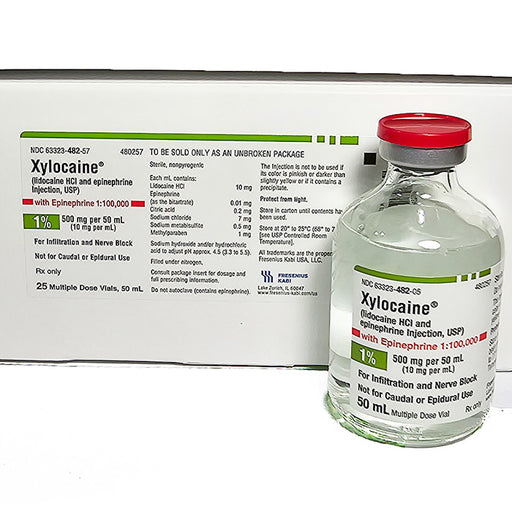
Xylocaine 2% with Epinephrine 1:100,000 Injection Multiple Dose Vial 20 mL, 25/Pack (Rx)

SKU: 63323-0483-27
Sale 16%
Original price $ 259.95
Current price $ 219.00
Non-Returnable
*Mountainside Medical does not fill personal prescriptions Medical Professional License Required to Unlock Account

How to Order:

Send an email request to: sales@mountainside-medical.com

You will receive instructions on how to create an account along with Rx Ordering Details.

(Note: Acceptable licenses must have Prescriptive Authority in the license issuing state.)
Fast Delivery
Fast Delivery
24/7 Support
24/7 Support
No Returns
No Returns
Hospital Grade
Hospital Grade
Free Shipping on orders above $100
Payment Secure transaction
Packaging Ships in product packaging
Service-Disabled Veteran-Owned Small Business
Located in Adirondack Mountains in NY
Family Owned Business 2002
Sale 16%
Original price $ 259.95
Current price $ 219.00
Free Shipping on orders above $100
Payment Secure transaction
Packaging Ships in product packaging
Xylocaine 2% with Epinephrine 1:100,000 Injection Multiple Dose Vial 20 mL, 25/Pack (Rx)
$ 259.95 $ 219.00
🔒 Medical License Required
Description

Xylocaine 2% with Epinephrine (1:100,000) Injection – 20 mL Multi-Dose Vial

Xylocaine 2% Injection with Epinephrine is a powerful local anesthetic solution used by healthcare professionals for rapid pain relief and local anesthesia. Each 20 mL sterile vial contains lidocaine hydrochloride 2% (20 mg/mL) plus epinephrine 1:100,000 (0.01 mg/mL, also known as adrenaline). This combination provides fast-acting numbing of the targeted area by blocking nerve signal transmission, and epinephrine prolongs the effect (by constricting blood vessels, reducing bleeding and slowing drug absorption). Xylocaine 2% w/ Epinephrine is a prescription-only, multi-dose injection (sterile 20 mL vial) intended for professional use in medical and dental settings. It offers rapid pain relief, making it ideal for minor surgeries, dental procedures, and other interventions requiring localized numbness.

Key Features and Benefits

  • Local Anesthetic Injection (Lidocaine 2%) – Quickly blocks nerve conduction for immédiate numbness. Ideal for pain management during procedures, providing rapid pain relief at the injection site.
  • Vasoconstrictor (Epinephrine 1:100,000) – Extends anesthetic duration by constricting blood vessels, reducing systemic absorption and bleeding. With epinephrine, typical anesthesia lasts up to ~90 minutes for deeper nerve blocks and several hours for soft tissues.
  • Versatile Clinical Uses – Indicated for local or regional anesthesia by infiltration or nerve block in medical, surgical and dental procedures. Widely used in dentistry (dental nerve blocks), dermatology (skin lesion excision), minor surgery (stitching, lacerations), and other outpatient interventions.
  • Fast Onset and Long Relief – Numbing effect begins within minutes of injection (often <2–4 minutes), ensuring immediate anesthesia. Epinephrine prolongs relief, often several times longer than lidocaine alone.
  • Professional Strength – Contains premium pharmaceutical-grade lidocaine HCl (20 mg/mL) and epinephrine (0.01 mg/mL). Supplied as a 20 mL multi-dose vial (sterile solution), allowing multiple injections from one vial.
  • Sterile & Balanced Solution – The injection is isotonic and pH-adjusted (~6.5) for comfort. It includes preservatives (methylparaben and sodium metabisulfite) to ensure sterility in a multi-use vial.
  • Prescription-Only, Clinician-Administered – Rx-only medication to be used by qualified healthcare providers (doctors, dentists, nurses trained in anesthesia). Provides clinicians with controlled, predictable anesthesia for safe patient care.

Composition and How It Works

  • Active Ingredients: 2% Lidocaine Hydrochloride (20 mg/mL) – a rapid-onset amide local anesthetic. Epinephrine (Adrenaline) 1:100,000 (0.01 mg/mL) – a vasoconstrictor that prolongs anesthesia.
  • Preservatives: Each mL contains 1 mg methylparaben and sodium metabisulfite. These keep the multi-dose vial sterile but can cause allergic reactions in sulfite-sensitive individuals.
  • Mechanism of Action: Lidocaine stabilizes neuronal membranes by blocking sodium channels, preventing initiation and conduction of nerve impulses. This produces reversible loss of sensation (numbness) in local tissues. Epinephrine constricts local blood vessels, which slows absorption of lidocaine into the bloodstream. The result is quicker onset of anesthesia and significantly longer pain-free duration.

Indications (Uses)

Xylocaine 2% with Epinephrine is indicated for local or regional anesthesia. Typical uses include:

  • Infiltration Anesthesia: Injected under the skin/mucosa at the surgical site to numb soft tissue before suturing, incision, biopsy, or minor surgery.
  • Peripheral Nerve Blocks: Administered around specific nerves (e.g. brachial plexus, intercostal nerves, dental nerves) to block sensation in a larger area or limb. Common in dentistry for pulpal and periodontal anesthesia during extractions or restorative procedures.
  • Epidural/Spinal Anesthesia: In epidural blocks (as per guidelines) for obstetric or surgical use.
  • Procedural Pain Control: Used in minor emergency procedures (e.g., laceration repair, removal of foreign bodies) to provide immediate analgesia at the site of injection.

Notably, Xylocaine 2% with Epinephrine is not for intravenous infusion or intra-articular injection. It is used only for local infiltration or nerve block as per standard medical practice.

Administration & Dosage

  • Formulation: Sterile isotonic solution in a 20 mL multiple-dose vial. Intended for parenteral injection only.
  • Use: Only by healthcare professionals. Aspirate before injection to avoid accidental intravascular administration, which can cause systemic toxicity.
  • Dosage Guidelines: Must follow procedural protocols. A typical maximum dose for healthy adults is 7 mg/kg of lidocaine (with epinephrine), not to exceed about 500 mg total (roughly 25 mL of 2%) per session. For reference, 400 mg is present in a full 20 mL vial. Without epinephrine formulations, the limit is lower (4.5 mg/kg, ~300 mg total). Always calculate dose by patient weight and health.
  • Injection Technique: Use appropriate needle and site prep. For larger regions, use the 2% with epinephrine solution (vasoconstriction helps spread and hemostasis). Withdraw slowly, injecting incrementally. Monitor patient throughout.
  • Pediatric Use: Dose must be reduced by weight. Consult pediatric anesthesia guidelines – Xylocaine 2% w/Epi can be used in children (typically > 1 year), but many clinicians opt for lower concentrations or doses.
  • Repeated Dosing: If additional anesthesia is needed, compute cumulative dose carefully and monitor for toxicity. Epinephrine-containing solutions allow slightly higher safe doses due to slower systemic absorption.

Warnings and Precautions

  • Professional Use Only: Should be administered by trained clinicians experienced in regional anesthesia. Emergency resuscitation equipment (oxygen, IV fluids, medications) must be available. Dose-related toxicity can occur, so readiness for emergencies (e.g. seizures, airway support) is essential.
  • Allergic Reactions: Contraindicated in patients allergic to lidocaine or other amide anesthetics. Avoid if hypersensitivity to parabens or sulfites (metabisulfite), as these preservatives in the vial can trigger allergic or asthmatic reactions.
  • Cardiovascular Risk: Use with caution in severe hypotension, heart block, or advanced cardiac disease. Epinephrine can increase heart rate and blood pressure transiently. Monitor cardiovascular status during use.
  • Methemoglobinemia: Patients with G6PD deficiency, infants, or those on certain medications are at increased risk. Watch for cyanosis and hypoxia; if suspected, discontinue and treat appropriately.
  • Drug Interactions: Epinephrine may interact with MAO inhibitors or certain antidepressants, causing severe hypertension. Avoid mixing such medications with this solution.
  • Pregnancy and Nursing: Category B. Lidocaine crosses the placenta and is excreted in breast milk, but is generally considered safe at recommended doses. Only use in pregnancy or breastfeeding if clearly needed and under medical supervision.
  • Usage Sites: Do not use for intravenous regional anesthesia (Bier block) or intra-articular injections. Avoid ocular injection with epinephrine-containing solutions (risk of ocular ischemia).
  • Pediatric/Elderly: Use caution, reduce dose in elderly, debilitated, or impaired renal/hepatic function. Closely monitor vital signs.

Side Effects

Patients may experience local or systemic effects. Most are mild and resolve quickly:

  • Common: Injection site discomfort, numbness beyond target area, dizziness, nervousness, tremor, or mild headache (often due to epinephrine).
  • Less Common: Visual disturbances, tinnitus (ringing in the ear), blurred vision, or muscle twitching. Transient hypotension or bradycardia can occur.
  • Rare/Serious: Hypersensitivity reactions (hives, edema, anaphylaxis) due to lidocaine or sulfites. Central nervous system toxicity (drowsiness, confusion, seizures) and severe cardiac effects (arrhythmias, cardiac arrest) if inadvertently injected into a vessel or overdosed.
  • Methemoglobinemia: Rare but serious; look for cyanosis unresponsive to oxygen, shortness of breath. Infants <1 year are most susceptible. If severe side effects occur, stop injection immediately and provide appropriate medical care (support breathing/circulation, seizure control, etc.).

Storage & Handling

Store Xylocaine 2% with Epinephrine at controlled room temperature, 20°C–25°C (68–77°F). Keep the vial tightly closed and protected from light. Discard any unused portion after single patient use in accordance with safe medical waste practices. Do not freeze. Strict aseptic technique is required when withdrawing each dose from the multi-dose vial.

Disclaimer: Xylocaine 2% w/ Epinephrine is a prescription medication. The information here is for educational and marketing purposes and should not replace professional medical advice. Always follow official prescribing information and consult a healthcare provider for medical decisions.

NDC: 63323-0483-27
UPC: 363323-483272
Type: Multiple Dose Vial
Size: 20 mL Vials x 25 Per Tray

Description

Xylocaine 2% with Epinephrine (1:100,000) Injection – 20 mL Multi-Dose Vial

Xylocaine 2% Injection with Epinephrine is a powerful local anesthetic solution used by healthcare professionals for rapid pain relief and local anesthesia. Each 20 mL sterile vial contains lidocaine hydrochloride 2% (20 mg/mL) plus epinephrine 1:100,000 (0.01 mg/mL, also known as adrenaline). This combination provides fast-acting numbing of the targeted area by blocking nerve signal transmission, and epinephrine prolongs the effect (by constricting blood vessels, reducing bleeding and slowing drug absorption). Xylocaine 2% w/ Epinephrine is a prescription-only, multi-dose injection (sterile 20 mL vial) intended for professional use in medical and dental settings. It offers rapid pain relief, making it ideal for minor surgeries, dental procedures, and other interventions requiring localized numbness.

Key Features and Benefits

  • Local Anesthetic Injection (Lidocaine 2%) – Quickly blocks nerve conduction for immédiate numbness. Ideal for pain management during procedures, providing rapid pain relief at the injection site.
  • Vasoconstrictor (Epinephrine 1:100,000) – Extends anesthetic duration by constricting blood vessels, reducing systemic absorption and bleeding. With epinephrine, typical anesthesia lasts up to ~90 minutes for deeper nerve blocks and several hours for soft tissues.
  • Versatile Clinical Uses – Indicated for local or regional anesthesia by infiltration or nerve block in medical, surgical and dental procedures. Widely used in dentistry (dental nerve blocks), dermatology (skin lesion excision), minor surgery (stitching, lacerations), and other outpatient interventions.
  • Fast Onset and Long Relief – Numbing effect begins within minutes of injection (often <2–4 minutes), ensuring immediate anesthesia. Epinephrine prolongs relief, often several times longer than lidocaine alone.
  • Professional Strength – Contains premium pharmaceutical-grade lidocaine HCl (20 mg/mL) and epinephrine (0.01 mg/mL). Supplied as a 20 mL multi-dose vial (sterile solution), allowing multiple injections from one vial.
  • Sterile & Balanced Solution – The injection is isotonic and pH-adjusted (~6.5) for comfort. It includes preservatives (methylparaben and sodium metabisulfite) to ensure sterility in a multi-use vial.
  • Prescription-Only, Clinician-Administered – Rx-only medication to be used by qualified healthcare providers (doctors, dentists, nurses trained in anesthesia). Provides clinicians with controlled, predictable anesthesia for safe patient care.

Composition and How It Works

  • Active Ingredients: 2% Lidocaine Hydrochloride (20 mg/mL) – a rapid-onset amide local anesthetic. Epinephrine (Adrenaline) 1:100,000 (0.01 mg/mL) – a vasoconstrictor that prolongs anesthesia.
  • Preservatives: Each mL contains 1 mg methylparaben and sodium metabisulfite. These keep the multi-dose vial sterile but can cause allergic reactions in sulfite-sensitive individuals.
  • Mechanism of Action: Lidocaine stabilizes neuronal membranes by blocking sodium channels, preventing initiation and conduction of nerve impulses. This produces reversible loss of sensation (numbness) in local tissues. Epinephrine constricts local blood vessels, which slows absorption of lidocaine into the bloodstream. The result is quicker onset of anesthesia and significantly longer pain-free duration.

Indications (Uses)

Xylocaine 2% with Epinephrine is indicated for local or regional anesthesia. Typical uses include:

  • Infiltration Anesthesia: Injected under the skin/mucosa at the surgical site to numb soft tissue before suturing, incision, biopsy, or minor surgery.
  • Peripheral Nerve Blocks: Administered around specific nerves (e.g. brachial plexus, intercostal nerves, dental nerves) to block sensation in a larger area or limb. Common in dentistry for pulpal and periodontal anesthesia during extractions or restorative procedures.
  • Epidural/Spinal Anesthesia: In epidural blocks (as per guidelines) for obstetric or surgical use.
  • Procedural Pain Control: Used in minor emergency procedures (e.g., laceration repair, removal of foreign bodies) to provide immediate analgesia at the site of injection.

Notably, Xylocaine 2% with Epinephrine is not for intravenous infusion or intra-articular injection. It is used only for local infiltration or nerve block as per standard medical practice.

Administration & Dosage

  • Formulation: Sterile isotonic solution in a 20 mL multiple-dose vial. Intended for parenteral injection only.
  • Use: Only by healthcare professionals. Aspirate before injection to avoid accidental intravascular administration, which can cause systemic toxicity.
  • Dosage Guidelines: Must follow procedural protocols. A typical maximum dose for healthy adults is 7 mg/kg of lidocaine (with epinephrine), not to exceed about 500 mg total (roughly 25 mL of 2%) per session. For reference, 400 mg is present in a full 20 mL vial. Without epinephrine formulations, the limit is lower (4.5 mg/kg, ~300 mg total). Always calculate dose by patient weight and health.
  • Injection Technique: Use appropriate needle and site prep. For larger regions, use the 2% with epinephrine solution (vasoconstriction helps spread and hemostasis). Withdraw slowly, injecting incrementally. Monitor patient throughout.
  • Pediatric Use: Dose must be reduced by weight. Consult pediatric anesthesia guidelines – Xylocaine 2% w/Epi can be used in children (typically > 1 year), but many clinicians opt for lower concentrations or doses.
  • Repeated Dosing: If additional anesthesia is needed, compute cumulative dose carefully and monitor for toxicity. Epinephrine-containing solutions allow slightly higher safe doses due to slower systemic absorption.

Warnings and Precautions

  • Professional Use Only: Should be administered by trained clinicians experienced in regional anesthesia. Emergency resuscitation equipment (oxygen, IV fluids, medications) must be available. Dose-related toxicity can occur, so readiness for emergencies (e.g. seizures, airway support) is essential.
  • Allergic Reactions: Contraindicated in patients allergic to lidocaine or other amide anesthetics. Avoid if hypersensitivity to parabens or sulfites (metabisulfite), as these preservatives in the vial can trigger allergic or asthmatic reactions.
  • Cardiovascular Risk: Use with caution in severe hypotension, heart block, or advanced cardiac disease. Epinephrine can increase heart rate and blood pressure transiently. Monitor cardiovascular status during use.
  • Methemoglobinemia: Patients with G6PD deficiency, infants, or those on certain medications are at increased risk. Watch for cyanosis and hypoxia; if suspected, discontinue and treat appropriately.
  • Drug Interactions: Epinephrine may interact with MAO inhibitors or certain antidepressants, causing severe hypertension. Avoid mixing such medications with this solution.
  • Pregnancy and Nursing: Category B. Lidocaine crosses the placenta and is excreted in breast milk, but is generally considered safe at recommended doses. Only use in pregnancy or breastfeeding if clearly needed and under medical supervision.
  • Usage Sites: Do not use for intravenous regional anesthesia (Bier block) or intra-articular injections. Avoid ocular injection with epinephrine-containing solutions (risk of ocular ischemia).
  • Pediatric/Elderly: Use caution, reduce dose in elderly, debilitated, or impaired renal/hepatic function. Closely monitor vital signs.

Side Effects

Patients may experience local or systemic effects. Most are mild and resolve quickly:

  • Common: Injection site discomfort, numbness beyond target area, dizziness, nervousness, tremor, or mild headache (often due to epinephrine).
  • Less Common: Visual disturbances, tinnitus (ringing in the ear), blurred vision, or muscle twitching. Transient hypotension or bradycardia can occur.
  • Rare/Serious: Hypersensitivity reactions (hives, edema, anaphylaxis) due to lidocaine or sulfites. Central nervous system toxicity (drowsiness, confusion, seizures) and severe cardiac effects (arrhythmias, cardiac arrest) if inadvertently injected into a vessel or overdosed.
  • Methemoglobinemia: Rare but serious; look for cyanosis unresponsive to oxygen, shortness of breath. Infants <1 year are most susceptible. If severe side effects occur, stop injection immediately and provide appropriate medical care (support breathing/circulation, seizure control, etc.).

Storage & Handling

Store Xylocaine 2% with Epinephrine at controlled room temperature, 20°C–25°C (68–77°F). Keep the vial tightly closed and protected from light. Discard any unused portion after single patient use in accordance with safe medical waste practices. Do not freeze. Strict aseptic technique is required when withdrawing each dose from the multi-dose vial.

Disclaimer: Xylocaine 2% w/ Epinephrine is a prescription medication. The information here is for educational and marketing purposes and should not replace professional medical advice. Always follow official prescribing information and consult a healthcare provider for medical decisions.

NDC: 63323-0483-27
UPC: 363323-483272
Type: Multiple Dose Vial
Size: 20 mL Vials x 25 Per Tray

Get Notified When Back in Stock