Skip to content
INDEPENDENCE DAY SALE

Added to your cart:

Cart subtotal

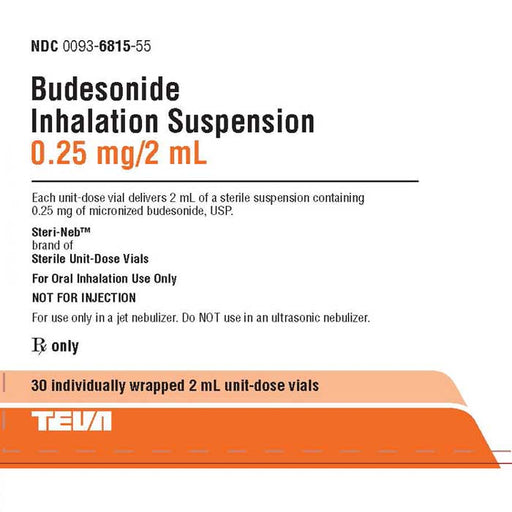
Budesonide Inhalation Suspension 0.5 mg/2 mL Nebulizer Solution 0.5 mL x 30 Vials (RX)

SKU: 00487-9701-30P
Independence Day SaleExtra 10% off orders $100+
Sale 36%
Original price $ 69.95
Current price $ 45.00
10% off on orders over $100 → $ 40.50Qualifying order extra 10% off → $ 40.50You've reached $100 — 10% off is now active → $ 40.50 SALE
Non-Returnable
*Mountainside Medical does not fill personal prescriptions Medical Professional License Required to Unlock Account

How to Order:

Send an email request to: sales@mountainside-medical.com

You will receive instructions on how to create an account along with Rx Ordering Details.

(Note: Acceptable licenses must have Prescriptive Authority in the license issuing state.)
Fast Delivery
Fast Delivery
24/7 Support
24/7 Support
No Returns
No Returns
Hospital Grade
Hospital Grade
Free Shipping on orders above $100
Payment Secure transaction
Packaging Ships in product packaging
Service-Disabled Veteran-Owned Small Business
Located in Adirondack Mountains in NY
Family Owned Business 2002
Sale 36%
Original price $ 69.95
Current price $ 45.00
10% off on orders over $100 → $ 40.50Qualifying order extra 10% off → $ 40.50You've reached $100 — 10% off is now active → $ 40.50 SALE
Free Shipping on orders above $100
Payment Secure transaction
Packaging Ships in product packaging
Budesonide Inhalation Suspension 0.5 mg/2 mL Nebulizer Solution 0.5 mL x 30 Vials (RX)
$ 69.95 $ 45.00
🔒 Medical License Required
Description

Budesonide Inhalation Suspension (0.5 mg/2 mL Nebulizer Solution)

Budesonide inhalation suspension is a corticosteroid (inhaled steroid) formulation used to prevent and control airway inflammation. Each 2 mL unit-dose ampoule (respule) contains 0.5 mg budesonide as a sterile suspension for nebulization. Budesonide is a potent non-halogenated glucocorticoid that binds lung cell steroid receptors, reducing inflammatory mediator release and airway swelling. It is used on a regular schedule (daily) to control asthma and related conditions, but it has no immediate bronchodilator effect – it will not relieve an acute asthma attack. Instead, by suppressing chronic inflammation in the airways, inhaled budesonide decreases asthma symptoms and exacerbations over time.

Mechanism of Action

Budesonide is an inhaled glucocorticoid. Once inhaled, it penetrates airway cells and binds intracellular glucocorticoid receptors, modulating gene transcription. This leads to:

  • Decreased airway inflammation: Inhibits production of inflammatory cytokines, chemokines and leukotrienes; reduces airway mucosal edema, hyperreactivity, and mucus secretion.
  • Local effect: Since it is inhaled directly to the lungs, most of its effect is local, minimizing systemic distribution. Only a small fraction reaches the bloodstream, making systemic side effects far less common than with oral steroids.

Over days to weeks of regular use, these anti-inflammatory actions improve lung function and reduce asthma symptoms. (Patients are often advised that benefits may take several days to appear.) Budesonide has little acute effect on bronchospasm by itself; therefore, a short-acting bronchodilator (rescue inhaler) is required to relieve sudden asthma attacks.

Uses

Budesonide 0.5 mg inhalation suspension is indicated mainly for maintenance therapy in respiratory conditions needing inhaled corticosteroid therapy. Key uses include:

  • Asthma (Bronchial Asthma, Persistent) – Chronic management to prevent symptoms. It is used in patients whose asthma requires daily controller medication. It helps control mild-to-severe asthma by reducing inflammation and airway hyperresponsiveness. Budesonide inhalation suspension is often chosen for younger children or patients who cannot coordinate inhaler use, since it is given by nebulizer. Note: It is not a rescue medication; it will not stop an ongoing asthma attack.
  • Croup (Acute Viral Laryngotracheobronchitis) – Budesonide nebulizer is recommended for infants/children hospitalized with moderate-to-severe viral croup to reduce upper airway swelling. A single dose (often 0.5–1 mg) can ease symptoms as adjunct therapy.
  • Exercise-Induced Asthma (Prophylaxis) – While beta-agonists are first-line for exercise bronchospasm, regular use of inhaled steroids like budesonide can reduce hyperresponsiveness and frequency of exercise-induced symptoms.
  • Other Inflammatory Airway Disorders: Occasionally used off-label for reactive airway dysfunction or recurrent wheezing in young children, as part of asthma management. In practice, it may also be used in chronic obstructive pulmonary disease (COPD) when inhaled corticosteroids are indicated (though other ICS like fluticasone or combination products are more common).
  • Weaning from Oral Steroids: High-dose inhaled budesonide can allow reduction of systemic steroids in severe asthma cases, though careful supervision is needed.

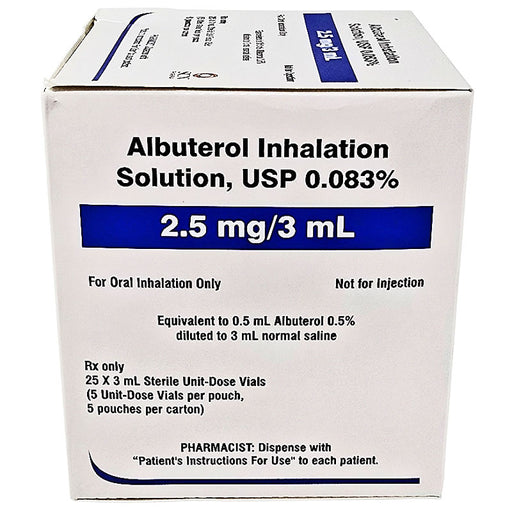
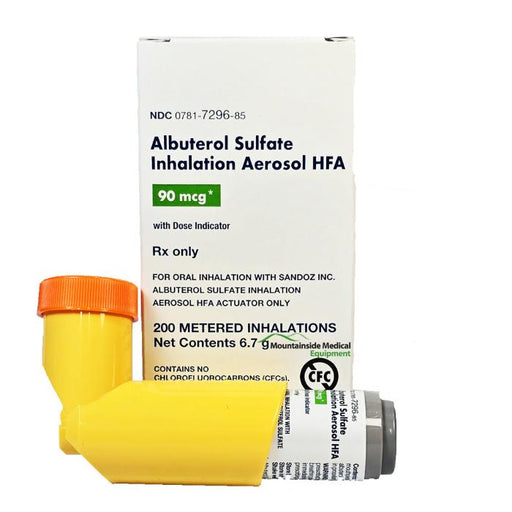
In all cases, budesonide inhalation suspension is a long-term controller/preventive therapy. Patients should not use it during an acute asthma attack – a short-acting inhaler (e.g. albuterol) is needed for rescue).

Administration and Dosing

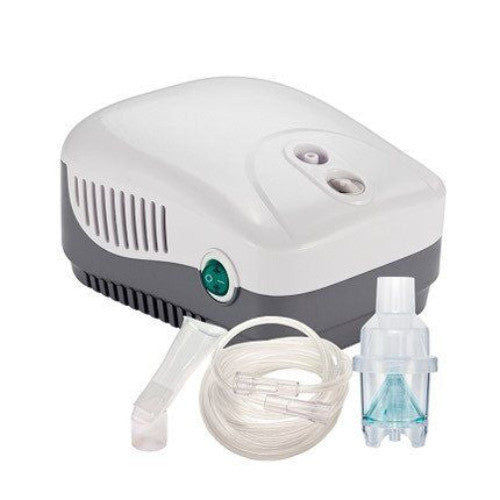
Budesonide inhalation suspension comes in 2 mL unit-dose ampoules (respules) of 0.25 mg or 0.5 mg strength (0.25 mg/2 mL or 0.5 mg/2 mL). It must be administered via nebulizer: the respirule is opened and its contents poured into the nebulizer reservoir. Then the patient inhales the mist produced by a pneumatic jet nebulizer, usually using a mouthpiece or a face mask. Important points:

  • No swallowing: This suspension is for inhalation only. Do not swallow the solution .
  • Do not mix medications: Do not combine budesonide suspension with other drugs or diluents in the nebulizer.
  • Shake gently: The unit-dose should be gently shaken before administration to disperse the steroid.
  • Rinse mouth: After each dose, rinse the mouth vigorously and spit out the water. This helps prevent local steroid effects (hoarseness, candidiasis).
  • Dosing Frequency: Budesonide inhalation suspension is usually given twice daily (morning and evening) in divided doses for asthma maintenance.
  • Typical Doses:
    • Children (3 months to 12 years): Maintenance doses typically 0.25–0.5 mg (1 respule of 0.5 mg) twice daily.
    • Adults and Adolescents (≥12 years): Maintenance usually 0.5–1 mg twice daily).
    • Infants (down to ~3 months): Doses are similar to young children (0.25–0.5 mg BID), adjusted by physician.
    • Acute Croup: Often a single dose of 0.5–1 mg nebulized as needed.
  • Titration: The minimal effective dose to maintain symptom control should be used. Dosing may be increased for severe asthma or during attack prevention, then tapered to maintenance. For example, during an asthma exacerbation when switching off oral steroids, physicians may give higher doses of budesonide nebulizer initially.
  • Duration: Budesonide is long-term therapy. If switching from oral steroids, taper gradually (carry a “steroid emergency card”). Do not discontinue abruptly if you have been on chronic steroids.

Veterinarians or other specialists may use different regimens; always follow physician orders.

Side Effects and Adverse Reactions

Because budesonide is given by inhalation, most side effects are local to the oropharynx and respiratory tract. Systemic effects are uncommon at usual inhaled doses but can occur with high doses or prolonged use. Key adverse reactions include:

  • Oropharyngeal Candidiasis (Thrush): Steroid mist can cause a yeast overgrowth in the mouth or throat, leading to white patches, soreness, or redness. Patients are advised to rinse their mouth after dosing to reduce this risk. If thrush occurs, an antifungal mouthwash/gel may be prescribed, but inhaled steroids should be continued.
  • Hoarseness and Throat Irritation: Treating the lungs with steroid aerosol often causes voice changes, coughing, or a sore throat. A few patients notice mild cough or shortness of breath immediately after nebulization. Proper technique and mouth rinsing can mitigate these effects.
  • Cough and Bronchospasm: Rarely, nebulizing the suspension may transiently worsen cough or cause bronchospasm (tightening of the airways). If this happens, stop treatment and use a bronchodilator.
  • Headache or Miscellaneous: Some patients report headache, nausea, or dizziness, but these are infrequent.
  • Nasal Congestion: Mild upper respiratory stuffiness or sneezing can occur as part of local irritation.

Systemic Steroid Effects (at high dose or long term): Although inhaled budesonide is much less systemic than oral steroids, high-dose or prolonged therapy can still produce systemic glucocorticoid effects:

  • Adrenal Suppression: Rare with standard inhaled doses, but possible if very high doses are used or if combined with other steroids. Patients with unusual stress (infection, surgery) may need supplemental steroids.
  • Growth Suppression: Chronic use of inhaled steroids in children can slow growth rate. Budesonide carries a low risk, but children’s height should be monitored. If growth slows, doctors may adjust therapy.
  • Bone Density: Long-term steroids may reduce bone mineral density. Patients on chronic high-dose inhaled steroids should ensure adequate calcium/vitamin D and have bone health monitored.
  • Ocular: Prolonged use may slightly increase the risk of cataracts or glaucoma. Eye exams are recommended if therapy is extended.
  • Metabolic: Effects like weight gain or Cushingoid appearance are very uncommon at inhaled doses, but can occur with super-high dosages over time. Naïve patients on high chronic doses might rarely manifest features of Cushing’s syndrome (moon face, obesity).
  • Infections: By dampening local immunity, inhaled steroids may theoretically increase risk of respiratory infections (pneumonia) or make existing infections worse. Caution in active lung infections or tuberculosis. (Indeed, patients on chronic steroids should avoid exposure to chickenpox/measles.)
  • Allergic Reactions: Budesonide allergy is rare. If it occurs, discontinue and treat accordingly.

In summary, budesonide inhalation’s side effect profile is much milder than systemic steroids. The most common issues are oral thrush and throat irritation. Ensuring correct inhalation technique (nebulizing fully) and mouth rinsing are key to minimizing adverse effects.

Precautions and Warnings

  • Not for Acute Asthma: Always have a short-acting bronchodilator on hand. Budesonide is a controller, not a rescue medication.
  • Mask/Inhaler Use: If using a mask, ensure a good seal. Spillage wastes medication. If a face mask is used, patients should have the mask removed and face washed after treatment.
  • Switching Steroids: Patients on systemic (oral or IV) steroids should not be abruptly converted to inhaled budesonide without a taper. The inhaled dose provides much less systemic steroid effect, and adrenal insufficiency can occur. Carrying a steroid emergency card is recommended.
  • Concurrent Infections: Avoid initiating in untreated tuberculosis or fungal infections of the respiratory tract; steroids can worsen these infections. Use caution in immunocompromised patients.
  • Eye Conditions: Monitor for vision changes, cataracts or glaucoma if on long-term therapy.
  • Pregnancy/Breastfeeding: Budesonide (inhaled) falls into FDA Pregnancy Category B. The systemic risk is low, but steroids do cross the placenta and appear in breast milk in small amounts. Use only if clearly needed. (In some cases of severe asthma, benefits outweigh risks — consult an obstetrician and weigh benefits vs. small fetal exposure.)
  • Children: Monitor growth by regular height measurements. The lowest effective dose should be used.
  • Elderly: Older adults are more prone to bone/joint issues. Use caution and monitor bone health if long-term use is anticipated.
  • Drug Interactions: Few clinically important drug interactions, but note that strong CYP3A4 inhibitors (such as ketoconazole or ritonavir) can markedly increase budesonide blood levels, potentially enhancing side effects. Also, avoid concurrent systemic steroids if possible, or adjust doses to avoid Cushing’s syndrome.

Summary

Budesonide inhalation suspension 0.5 mg/2 mL is a nebulized corticosteroid used primarily for asthma control and related respiratory inflammation. It is given by a special nebulizer device and works over time to reduce lung swelling. Its main indication is persistent asthma (especially in young children), and it is sometimes employed in acute pediatric croup. Patients typically inhale the 2 mL suspension once or twice daily as prescribed. Common side effects are local (throat irritation, cough, oral thrush); systemic side effects are rare at usual doses. Nonetheless, long-term or high-dose use can cause steroid-related effects (e.g. suppressed growth in children), so patients are monitored and given the lowest effective dose. Because it is inhaled, budesonide has a safer systemic profile than oral steroids. All use should follow a healthcare provider’s instructions.

Description

Budesonide Inhalation Suspension (0.5 mg/2 mL Nebulizer Solution)

Budesonide inhalation suspension is a corticosteroid (inhaled steroid) formulation used to prevent and control airway inflammation. Each 2 mL unit-dose ampoule (respule) contains 0.5 mg budesonide as a sterile suspension for nebulization. Budesonide is a potent non-halogenated glucocorticoid that binds lung cell steroid receptors, reducing inflammatory mediator release and airway swelling. It is used on a regular schedule (daily) to control asthma and related conditions, but it has no immediate bronchodilator effect – it will not relieve an acute asthma attack. Instead, by suppressing chronic inflammation in the airways, inhaled budesonide decreases asthma symptoms and exacerbations over time.

Mechanism of Action

Budesonide is an inhaled glucocorticoid. Once inhaled, it penetrates airway cells and binds intracellular glucocorticoid receptors, modulating gene transcription. This leads to:

  • Decreased airway inflammation: Inhibits production of inflammatory cytokines, chemokines and leukotrienes; reduces airway mucosal edema, hyperreactivity, and mucus secretion.
  • Local effect: Since it is inhaled directly to the lungs, most of its effect is local, minimizing systemic distribution. Only a small fraction reaches the bloodstream, making systemic side effects far less common than with oral steroids.

Over days to weeks of regular use, these anti-inflammatory actions improve lung function and reduce asthma symptoms. (Patients are often advised that benefits may take several days to appear.) Budesonide has little acute effect on bronchospasm by itself; therefore, a short-acting bronchodilator (rescue inhaler) is required to relieve sudden asthma attacks.

Uses

Budesonide 0.5 mg inhalation suspension is indicated mainly for maintenance therapy in respiratory conditions needing inhaled corticosteroid therapy. Key uses include:

  • Asthma (Bronchial Asthma, Persistent) – Chronic management to prevent symptoms. It is used in patients whose asthma requires daily controller medication. It helps control mild-to-severe asthma by reducing inflammation and airway hyperresponsiveness. Budesonide inhalation suspension is often chosen for younger children or patients who cannot coordinate inhaler use, since it is given by nebulizer. Note: It is not a rescue medication; it will not stop an ongoing asthma attack.
  • Croup (Acute Viral Laryngotracheobronchitis) – Budesonide nebulizer is recommended for infants/children hospitalized with moderate-to-severe viral croup to reduce upper airway swelling. A single dose (often 0.5–1 mg) can ease symptoms as adjunct therapy.
  • Exercise-Induced Asthma (Prophylaxis) – While beta-agonists are first-line for exercise bronchospasm, regular use of inhaled steroids like budesonide can reduce hyperresponsiveness and frequency of exercise-induced symptoms.
  • Other Inflammatory Airway Disorders: Occasionally used off-label for reactive airway dysfunction or recurrent wheezing in young children, as part of asthma management. In practice, it may also be used in chronic obstructive pulmonary disease (COPD) when inhaled corticosteroids are indicated (though other ICS like fluticasone or combination products are more common).
  • Weaning from Oral Steroids: High-dose inhaled budesonide can allow reduction of systemic steroids in severe asthma cases, though careful supervision is needed.

In all cases, budesonide inhalation suspension is a long-term controller/preventive therapy. Patients should not use it during an acute asthma attack – a short-acting inhaler (e.g. albuterol) is needed for rescue).

Administration and Dosing

Budesonide inhalation suspension comes in 2 mL unit-dose ampoules (respules) of 0.25 mg or 0.5 mg strength (0.25 mg/2 mL or 0.5 mg/2 mL). It must be administered via nebulizer: the respirule is opened and its contents poured into the nebulizer reservoir. Then the patient inhales the mist produced by a pneumatic jet nebulizer, usually using a mouthpiece or a face mask. Important points:

  • No swallowing: This suspension is for inhalation only. Do not swallow the solution .
  • Do not mix medications: Do not combine budesonide suspension with other drugs or diluents in the nebulizer.
  • Shake gently: The unit-dose should be gently shaken before administration to disperse the steroid.
  • Rinse mouth: After each dose, rinse the mouth vigorously and spit out the water. This helps prevent local steroid effects (hoarseness, candidiasis).
  • Dosing Frequency: Budesonide inhalation suspension is usually given twice daily (morning and evening) in divided doses for asthma maintenance.
  • Typical Doses:
    • Children (3 months to 12 years): Maintenance doses typically 0.25–0.5 mg (1 respule of 0.5 mg) twice daily.
    • Adults and Adolescents (≥12 years): Maintenance usually 0.5–1 mg twice daily).
    • Infants (down to ~3 months): Doses are similar to young children (0.25–0.5 mg BID), adjusted by physician.
    • Acute Croup: Often a single dose of 0.5–1 mg nebulized as needed.
  • Titration: The minimal effective dose to maintain symptom control should be used. Dosing may be increased for severe asthma or during attack prevention, then tapered to maintenance. For example, during an asthma exacerbation when switching off oral steroids, physicians may give higher doses of budesonide nebulizer initially.
  • Duration: Budesonide is long-term therapy. If switching from oral steroids, taper gradually (carry a “steroid emergency card”). Do not discontinue abruptly if you have been on chronic steroids.

Veterinarians or other specialists may use different regimens; always follow physician orders.

Side Effects and Adverse Reactions

Because budesonide is given by inhalation, most side effects are local to the oropharynx and respiratory tract. Systemic effects are uncommon at usual inhaled doses but can occur with high doses or prolonged use. Key adverse reactions include:

  • Oropharyngeal Candidiasis (Thrush): Steroid mist can cause a yeast overgrowth in the mouth or throat, leading to white patches, soreness, or redness. Patients are advised to rinse their mouth after dosing to reduce this risk. If thrush occurs, an antifungal mouthwash/gel may be prescribed, but inhaled steroids should be continued.
  • Hoarseness and Throat Irritation: Treating the lungs with steroid aerosol often causes voice changes, coughing, or a sore throat. A few patients notice mild cough or shortness of breath immediately after nebulization. Proper technique and mouth rinsing can mitigate these effects.
  • Cough and Bronchospasm: Rarely, nebulizing the suspension may transiently worsen cough or cause bronchospasm (tightening of the airways). If this happens, stop treatment and use a bronchodilator.
  • Headache or Miscellaneous: Some patients report headache, nausea, or dizziness, but these are infrequent.
  • Nasal Congestion: Mild upper respiratory stuffiness or sneezing can occur as part of local irritation.

Systemic Steroid Effects (at high dose or long term): Although inhaled budesonide is much less systemic than oral steroids, high-dose or prolonged therapy can still produce systemic glucocorticoid effects:

  • Adrenal Suppression: Rare with standard inhaled doses, but possible if very high doses are used or if combined with other steroids. Patients with unusual stress (infection, surgery) may need supplemental steroids.
  • Growth Suppression: Chronic use of inhaled steroids in children can slow growth rate. Budesonide carries a low risk, but children’s height should be monitored. If growth slows, doctors may adjust therapy.
  • Bone Density: Long-term steroids may reduce bone mineral density. Patients on chronic high-dose inhaled steroids should ensure adequate calcium/vitamin D and have bone health monitored.
  • Ocular: Prolonged use may slightly increase the risk of cataracts or glaucoma. Eye exams are recommended if therapy is extended.
  • Metabolic: Effects like weight gain or Cushingoid appearance are very uncommon at inhaled doses, but can occur with super-high dosages over time. Naïve patients on high chronic doses might rarely manifest features of Cushing’s syndrome (moon face, obesity).
  • Infections: By dampening local immunity, inhaled steroids may theoretically increase risk of respiratory infections (pneumonia) or make existing infections worse. Caution in active lung infections or tuberculosis. (Indeed, patients on chronic steroids should avoid exposure to chickenpox/measles.)
  • Allergic Reactions: Budesonide allergy is rare. If it occurs, discontinue and treat accordingly.

In summary, budesonide inhalation’s side effect profile is much milder than systemic steroids. The most common issues are oral thrush and throat irritation. Ensuring correct inhalation technique (nebulizing fully) and mouth rinsing are key to minimizing adverse effects.

Precautions and Warnings

  • Not for Acute Asthma: Always have a short-acting bronchodilator on hand. Budesonide is a controller, not a rescue medication.
  • Mask/Inhaler Use: If using a mask, ensure a good seal. Spillage wastes medication. If a face mask is used, patients should have the mask removed and face washed after treatment.
  • Switching Steroids: Patients on systemic (oral or IV) steroids should not be abruptly converted to inhaled budesonide without a taper. The inhaled dose provides much less systemic steroid effect, and adrenal insufficiency can occur. Carrying a steroid emergency card is recommended.
  • Concurrent Infections: Avoid initiating in untreated tuberculosis or fungal infections of the respiratory tract; steroids can worsen these infections. Use caution in immunocompromised patients.
  • Eye Conditions: Monitor for vision changes, cataracts or glaucoma if on long-term therapy.
  • Pregnancy/Breastfeeding: Budesonide (inhaled) falls into FDA Pregnancy Category B. The systemic risk is low, but steroids do cross the placenta and appear in breast milk in small amounts. Use only if clearly needed. (In some cases of severe asthma, benefits outweigh risks — consult an obstetrician and weigh benefits vs. small fetal exposure.)
  • Children: Monitor growth by regular height measurements. The lowest effective dose should be used.
  • Elderly: Older adults are more prone to bone/joint issues. Use caution and monitor bone health if long-term use is anticipated.
  • Drug Interactions: Few clinically important drug interactions, but note that strong CYP3A4 inhibitors (such as ketoconazole or ritonavir) can markedly increase budesonide blood levels, potentially enhancing side effects. Also, avoid concurrent systemic steroids if possible, or adjust doses to avoid Cushing’s syndrome.

Summary

Budesonide inhalation suspension 0.5 mg/2 mL is a nebulized corticosteroid used primarily for asthma control and related respiratory inflammation. It is given by a special nebulizer device and works over time to reduce lung swelling. Its main indication is persistent asthma (especially in young children), and it is sometimes employed in acute pediatric croup. Patients typically inhale the 2 mL suspension once or twice daily as prescribed. Common side effects are local (throat irritation, cough, oral thrush); systemic side effects are rare at usual doses. Nonetheless, long-term or high-dose use can cause steroid-related effects (e.g. suppressed growth in children), so patients are monitored and given the lowest effective dose. Because it is inhaled, budesonide has a safer systemic profile than oral steroids. All use should follow a healthcare provider’s instructions.

Get Notified When Back in Stock